Officially: Monkeypox emergency lifted in Africa
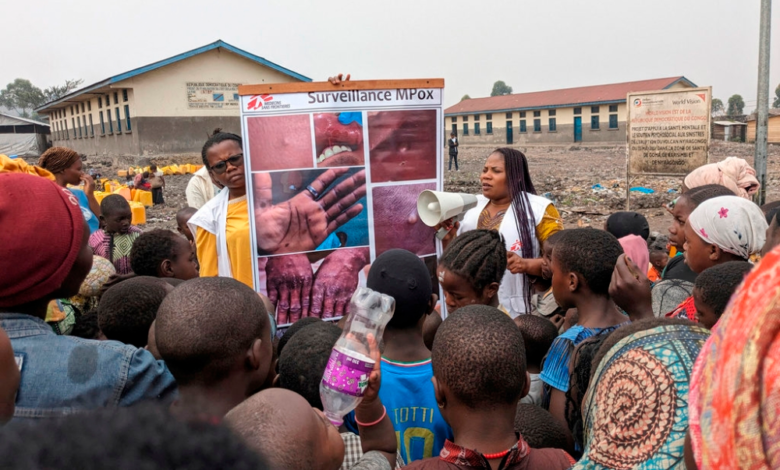
In a pivotal shift in public health across the African continent, the Africa Centres for Disease Control and Prevention (Africa CDC) has officially lifted the continental health emergency declaration related to the MBO virus outbreak (formerly known as monkeypox). This strategic decision follows a significant and sustained decline in the number of reported cases and deaths in affected countries, indicating the success of the preventative measures implemented over the past months.
The center explained in its statement issued on Saturday that the decision to end the state of maximum alert was not arbitrary, but rather based on a thorough assessment and scientific recommendations issued by the Emergency Advisory Group. The group attributed this success to several key factors, most notably the strengthening of the continent's health security system, the effectiveness of political leadership in member states, and the growing regional cooperation and international partnerships that contributed to providing the vaccines and resources necessary to manage this complex health crisis.
Background of the crisis and the international response
The roots of this state of alert can be traced back to August 2024, when the Africa Centres for Disease Control and Prevention (Africa CDC) was forced to declare a Public Health Emergency of International Concern (PHECS) across the continent—the first time the center had used this authority since its establishment as an independent entity. This coincided with the World Health Organization's classification of the disease as a "public health emergency of international concern," following the spread of a new strain of the virus (Clade Ib) originating in the Democratic Republic of Congo and spreading to neighboring countries that had not previously reported cases, raising global fears of a repeat of past epidemic scenarios.
Post-emergency: Continued vigilance
Despite the optimism surrounding this announcement, health officials at the Africa Centres for Disease Control and Prevention (Africa CDC) emphasized a crucial point: lifting the state of emergency does not mean the virus has been eradicated. Experts stressed that COVID-19 remains a significant health challenge requiring continued vigilance. The strategy now shifts from emergency response to long-term control and surveillance, requiring countries to maintain vaccination programs, strengthen epidemiological surveillance systems, and educate communities to ensure the epidemic does not resurge.
This declaration is a successful test of the ability of African health institutions to self-manage crises, which enhances confidence in continental mechanisms to address future biological threats, and underscores the importance of continued investment in health infrastructure to ensure the stability of regional and global health security.