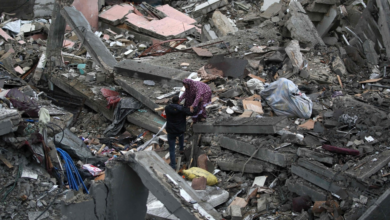
Power outages and flight cancellations in America due to a winter storm
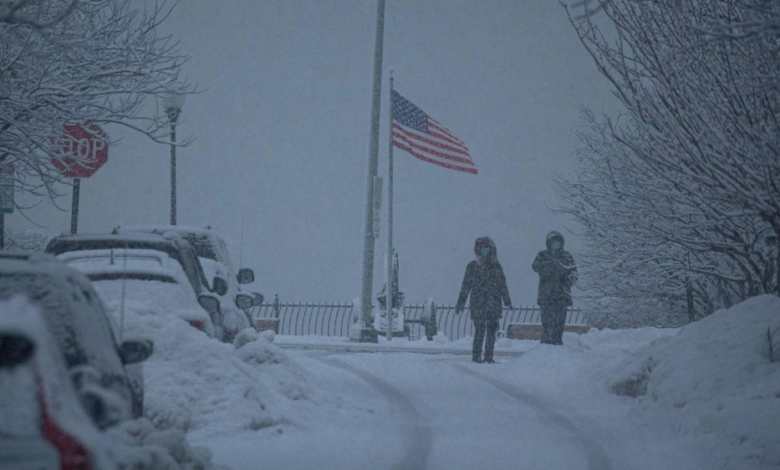
A powerful winter storm swept across large areas of the United States on Sunday morning, leaving more than 600,000 subscribers without power and causing near-total paralysis of air traffic in several states, bringing back memories of the severe snowstorms that hit the country annually.
Details of the power outage and affected states
According to data from websites specializing in monitoring power grids, the storm's impact extended from Texas in the south to the northeastern regions. Tennessee, Texas, Mississippi, and Louisiana experienced the most damage, with more than 100,000 homes and businesses without power in each of these states.
The main reason for these widespread outages is the freezing rain and heavy snow accumulation on power transmission lines and trees, causing them to fall and damage the electrical infrastructure in those areas. This is a recurring phenomenon with severe winter storms that bring freezing temperatures.
Paralysis in air traffic and airports
The storm's impact wasn't limited to power grids; it also severely impacted the air transport sector. Airlines were forced to cancel more than 13,000 flights across the United States due to severe weather, poor visibility, and icy runways.
Data from the flight tracking website FlightAware showed that on Saturday alone, more than 4,000 flights were canceled. The crisis was largely concentrated in Texas, specifically at Dallas-Fort Worth International Airport and Dallas Love Field, where nearly 1,500 flights were canceled at the former and 190 at the latter, representing the vast majority of scheduled flights. This resulted in passenger congestion and disruption to travel schedules.
Climate context and infrastructure challenges
This storm is part of a series of extreme weather events that North America experiences during the winter. The United States faces increasing challenges regarding the readiness of its power grid infrastructure to cope with extreme weather, particularly in states like Texas, which has previously suffered major power outages during periods of severe cold.
Such storms usually prompt state governors to declare states of emergency to expedite disaster response operations, provide the necessary resources to repair damage and open snow-blocked roads, ensure the safety of citizens, and secure alternative heating methods to avoid freezing accidents.
Economic impacts and public safety
In addition to the direct material losses in the energy and aviation sectors, this storm is casting a shadow over the local economies of the affected states, bringing commercial activity to a standstill and temporarily disrupting supply chains. Local authorities are also continuously warning of the dangers of driving on icy roads and the risk of carbon monoxide poisoning from the improper use of home generators indoors, urging residents to exercise extreme caution until the storm subsides.