The US imposes new sanctions on Iran ahead of the talks
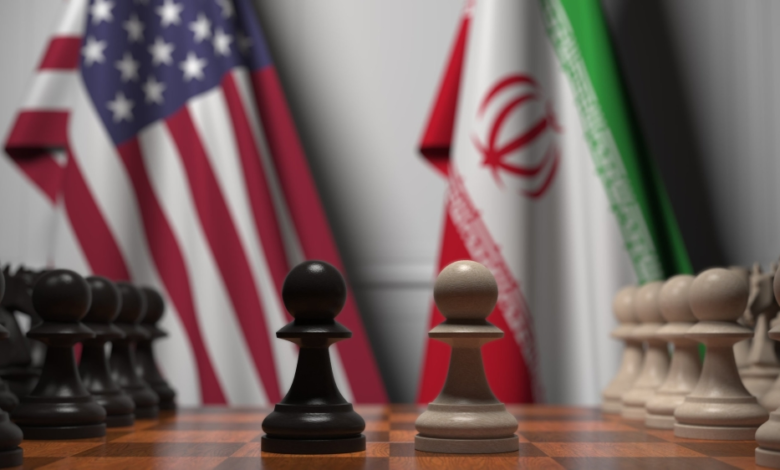
In an escalation ahead of the third round of talks scheduled for Geneva, the United States imposed a new round of sanctions on Iran, continuing its strategy known as the “maximum pressure” campaign. These measures come amid heightened tensions, with the Trump administration increasingly threatening military strikes if an agreement acceptable to Washington is not reached regarding Tehran’s nuclear program and regional activities.
The latest sanctions, announced by the US Treasury Department, target more than 30 individuals and entities, as well as a vessel, for allegedly facilitating Iran’s illicit oil sales and contributing to its weapons production. This move aims to cut off the Iranian regime’s funding sources and restrict its ability to finance its military programs and support its proxies in the region.
Background to the tension and the nuclear agreement
The roots of this escalation lie in President Trump's decision in May 2018 to unilaterally withdraw from the Joint Comprehensive Plan of Action (JCPOA), commonly known as the Iran nuclear deal, which was signed in 2015 between Iran and the P5+1 group of nations. The agreement aimed to restrict Iran's nuclear program in exchange for lifting international economic sanctions. However, Washington deemed the agreement insufficient to curb Iran's long-term nuclear ambitions and argued that it failed to address Iran's ballistic missile program or its interventions in the affairs of Middle Eastern countries. Since withdrawing, the United States has reimposed harsh and comprehensive sanctions with the goal of forcing Tehran back to the negotiating table to reach a new, more stringent agreement.
The importance of sanctions and their expected impact
The significance of these sanctions lies in their timing and precise targeting. By targeting what the Treasury Department calls Iran’s “shadow fleet” used to smuggle oil to foreign markets, Washington seeks to close a vital artery of the Iranian economy. A statement quoted Treasury Secretary Steven Mnuchin as saying, “Iran is exploiting financial systems to illicitly sell oil, launder the proceeds, purchase components for its nuclear and conventional weapons programs, and support its terrorist proxies.”.
Domestically, these sanctions exacerbate the economic hardship on the Iranian people, fueling inflation and further devaluing the currency. Regionally, they aim to weaken Iran’s network of allies, such as Hezbollah in Lebanon, the Assad regime in Syria, and the Houthis in Yemen, by cutting off their financial support. Internationally, these unilateral measures put the United States at odds with its European allies, who are still trying to salvage the nuclear agreement, further complicating the diplomatic landscape and increasing uncertainty about the future of stability in the Middle East.