UN experts: US blockade of Venezuela is armed aggression
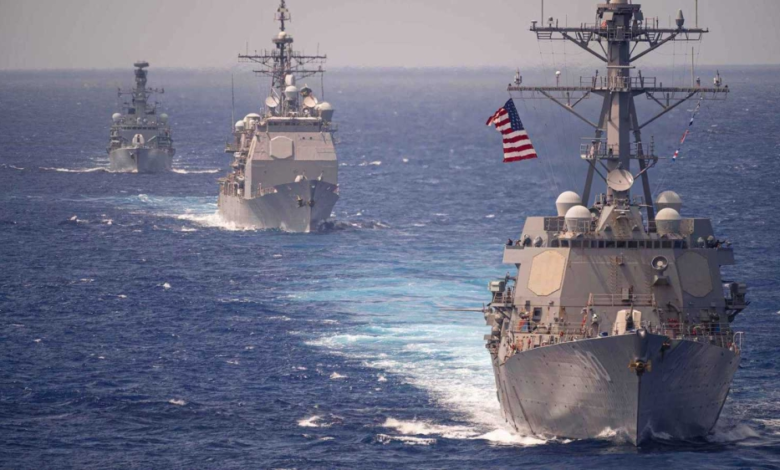
In a new escalation of international criticism of US policies in Latin America, independent experts appointed by the UN Human Rights Council condemned the US naval blockade of Venezuela. The experts described the measures as amounting to "unlawful armed aggression," warning of their serious repercussions for regional stability and their blatant violation of international law.
Violation of the United Nations Charter
In their official statement, experts affirmed that the blockade imposed on Venezuelan oil tankers, or those carrying Venezuelan oil, constitutes "a prohibited use of military force against a sovereign state." The experts based their legal characterization on Article 2 of the UN Charter, noting that the gravity of this use of force explicitly falls under the definition of "armed aggression" adopted by the UN General Assembly in its 1974 resolution. The statement clarified that this characterization, in principle, grants the affected state the legitimate right to self-defense.
Military and political context
These condemnations come amid intensified US military activity in the Caribbean region that began last August, with Washington deploying a massive naval fleet under the pretext of combating drug trafficking. Military operations associated with this deployment have resulted in attacks on boats and the deaths of more than 100 people so far, in addition to the seizure by US forces of oil tankers subject to sanctions imposed by former US President Donald Trump as part of the "maximum pressure" campaign aimed at crippling the Venezuelan economy, which is entirely dependent on oil exports.
Accusations fly and controversy surrounds the "Sun Cartel"
This naval blockade is linked to a series of indictments issued by the US Department of Justice last November against senior Venezuelan officials, including President Nicolás Maduro, whom Washington accuses of running a drug-trafficking "terrorist organization" known as the "Cartel of the Suns." The United States alleges that the Venezuelan regime colludes with armed groups to smuggle cocaine into the United States.
In contrast, many international experts and observers have questioned the validity of the American narrative regarding the existence of an organizational structure called the "Sun Cartel." These experts point out that the reality suggests, instead, the presence of scattered networks of corruption within the military establishment that tolerate illicit activities, rather than a unified, hierarchical organization as Washington claims to justify its military and economic blockade.
The repercussions of the embargo on the Venezuelan economy
This blockade is part of a long series of sanctions that have led to a sharp decline in the Venezuelan economy, which possesses the world's largest oil reserves. The ban on oil exports and the seizure of tankers—Washington has detained two so far—have exacerbated the country's humanitarian crisis and a severe shortage of hard currency needed to import food and medicine, making the sanctions and naval blockade as much a humanitarian issue as it is a political and legal one.