Trump accuses Minnesota governor of rebellion: The full story
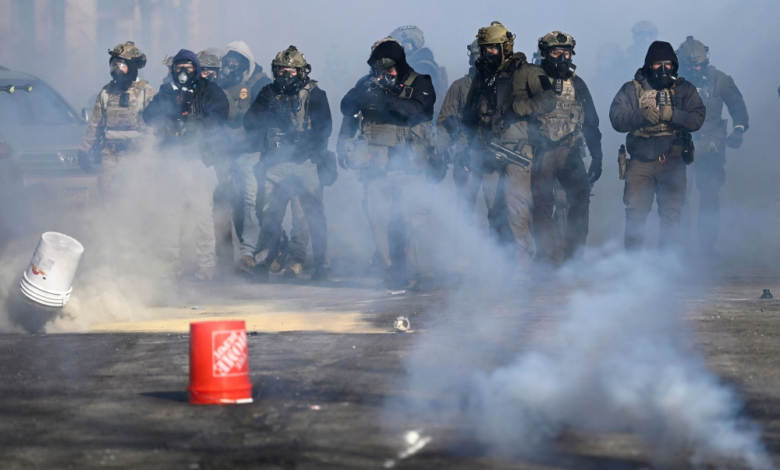
In a new escalation of the political and security crisis between the federal government and local authorities in the United States, President Donald Trump direct and serious accusations against both Minnesota Governor Tim Walz and Minneapolis Mayor Jacob Frey, accusing them of “inciting insurrection.” These inflammatory statements come against the backdrop of tensions following the killing of a civilian in Minneapolis by federal agents, raising fears of renewed unrest in the city.
Accusations via “Truth Social”
President Trump used his preferred social media platform, Truth Social, to launch a scathing attack on Democratic officials, describing their statements as “arrogant and dangerous.” In his post, Trump wrote, “The mayor and governor are inciting rebellion with their arrogant statements,” adding that their handling of the incident was inflaming tensions rather than calming them. This attack reflects the deep political divide between the Republican president and Democratic leaders in the states, particularly regarding security and law enforcement issues.
Details of the security incident
The current crisis stems from a shooting incident on Saturday in Minneapolis, where federal agents reported a fatality. According to a statement from the Department of Homeland Security , the suspect violently resisted agents' attempts to disarm him, prompting one federal agent to fire "defensive shots" in self-defense. Despite receiving immediate medical attention, the suspect died at the scene, reigniting tensions in the city.
Brandishing the “Rebellion Act”
Trump didn't stop at leveling accusations; he again threatened to invoke the Insurrection Act. This federal law, dating back to 1807, grants the president extraordinary powers to deploy U.S. military forces and the National Guard within states to quell civil unrest or insurrection, even without the consent of the state governor under certain circumstances. The threat of invoking this law is a major escalation that raises a broad constitutional and legal debate about the limits of federal power versus state sovereignty.
Historical context: Minneapolis as a flashpoint
This event cannot be separated from the recent historical context of Minneapolis, which was the epicenter of global protests in 2020 following the killing of George Floyd. Since then, the relationship between the police and the local community, as well as between federal and local authorities, has become extremely strained. The current US administration views the city as a model of what it calls “lawlessness” requiring decisive intervention, while local officials argue that federal interventions often exacerbate the situation.
Expected political repercussions
This clash carries political implications that extend far beyond Minnesota; it comes at a time of sharp polarization in the United States. Trump's insistence on using the language of "insurrection" and threatening military intervention could deepen the partisan divide and push Democrats to unite in defense of state autonomy. This incident also brings the issues of police violence and federal security powers back to the forefront of public debate, potentially impacting the electoral and broader political landscape in the coming period.