Tehran explosions: Israel targets Iran's ballistic missiles
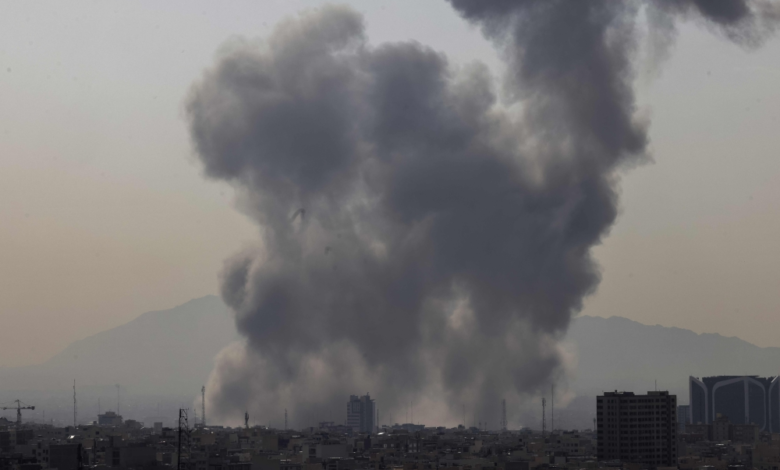
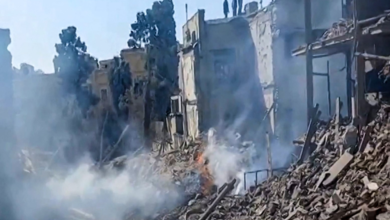
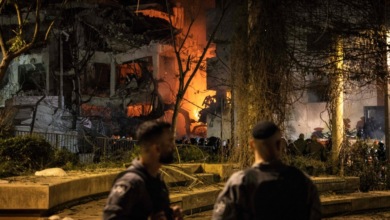
In a dangerous escalation of tensions in the Middle East, powerful explosions rocked the Iranian capital, Tehran, early this morning, amid media reports indicating that Israeli aircraft launched airstrikes targeting Iranian ballistic missile sites. Eyewitnesses and reporters stated they heard at least three explosions that shook the capital around 4:00 AM local time, coinciding with intense drone activity in the city's skies, which sparked panic among residents.
There was no immediate confirmation from Iranian authorities regarding the nature or source of the explosions. However, the state-run Al-Ekhbariya TV channel quoted its sources as saying that "the Israeli Air Force continues to target Iranian ballistic missiles," suggesting that this operation may be part of a broader campaign. This incident represents the latest chapter in the ongoing "shadow war" between Iran and Israel, which has often been waged on Syrian soil or through cyberattacks and complex intelligence operations.
Background of the conflict and the importance of the objective
Iran’s missile program, along with its nuclear program, is a major source of concern for Israel and Western countries. Over the past decades, Iran has developed a massive arsenal of ballistic missiles of varying ranges, which it considers the cornerstone of its defense and deterrence strategy. Israel views these missiles as a direct existential threat, particularly given their increasing accuracy and ability to carry diverse warheads, as well as Tehran’s provision of advanced missile technology to its proxies in the region, such as Hezbollah in Lebanon and the Houthis in Yemen.
Potential impacts at the regional and international levels
An Israeli military strike in the heart of the Iranian capital, if officially confirmed, would represent a significant and dangerous shift in the rules of engagement between the two countries. While the confrontation has previously been limited to targeting Iranian forces and their allied militias in Syria, bringing the fight inside Iran increases the likelihood of a direct response and retaliation, potentially dragging the entire region into open warfare. Domestically, the Iranian authorities might exploit such an attack to garner public support and justify their military policies, while simultaneously raising questions about the effectiveness of Iran's air defense systems.
Internationally, this escalation is expected to raise concerns among major powers, who will likely call for restraint to prevent further deterioration. Particular attention will be focused on the stance of the United States, Israel's strategic ally, and how it will respond to this development. The incident could also impact any future diplomatic efforts concerning the Iranian nuclear program and further complicate the geopolitical landscape in an already volatile region.