New code of conduct: Grade deductions threaten third-grade students
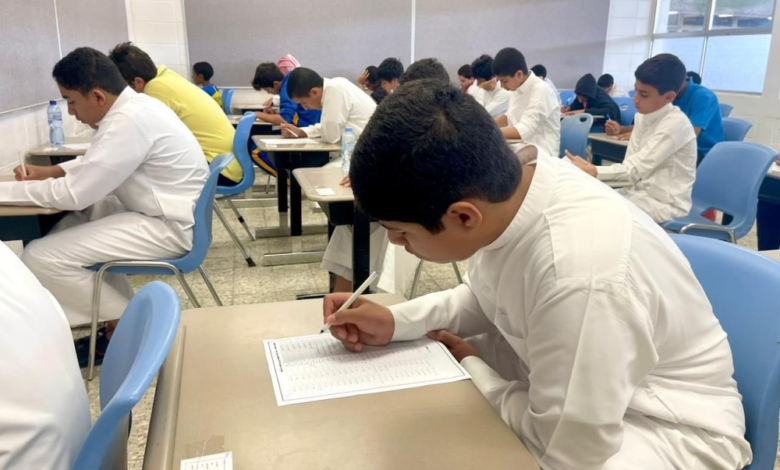
In a move aimed at strengthening school discipline and improving the quality of the educational environment, the Ministry of Education has officially decided to link student behavioral infractions to academic achievement, starting from the third grade of primary school. Under this decision, behavior has become a separate subject with a weight of 100 points, directly impacting the student's overall grade point average, thus establishing discipline as a fundamental criterion for success and excellence, alongside core academic subjects.
Details of the new code of conduct
The new system places third-grade students, who are at a critical age (around nine years old), under early scrutiny regarding their behavior. Behavioral grades are now included in the semester grade point average and affect it just as much as subjects like mathematics and Arabic. Behavioral problems, or what is commonly referred to as "misbehavior" at this stage, are no longer mere passing remarks, but have become, according to the regulations, "debts" that are immediately deducted from the 80 points allocated for core discipline.
Each student begins their semester with 80 credit points automatically awarded as a "trust bonus," but maintaining these points depends on their exemplary conduct within the school. School administrations have been granted the authority to directly deduct points based on the type of infraction committed, in accordance with approved official regulations.
The importance of the decision and its educational dimensions
This decision comes within the framework of the Ministry of Education's efforts to develop the educational system, where education is no longer limited to the mere transmission of knowledge, but has expanded to include character building and behavioral development. This step represents a qualitative shift in the philosophy of school assessment, as it aims to instill values of responsibility in young people at an early age and strengthen the partnership between families and schools in monitoring children's behavior.
Educational experts believe that linking behavior to grades enhances the prestige of the school system and reduces bullying and classroom disruptions, creating a more attractive and stimulating learning environment. Furthermore, allocating 20 points for exemplary behavior and positive initiatives encourages students to compete in doing good and participating in the community, rather than simply avoiding violations.
Lifeline: Grade Compensation Mechanism
Out of concern for students' well-being and consideration of their age group, the Ministry has provided a flexible mechanism, a kind of "lifeline," enabling students who have committed violations to have their deducted marks reinstated. This mechanism relies on demonstrating exemplary compensatory behavior that proves the student's improved conduct.
Students wishing to have their grades reinstated must submit, with the direct assistance of their guardian, concrete evidence to the student affairs office proving they took the necessary remedial coursework. After reviewing and verifying this evidence, it will be officially recorded and the grades will be restored to the student's account before the system closes, thus giving the student an opportunity to rectify their academic standing.
Exception for early primary grades
It is worth noting that this strict system is implemented starting from the third grade of primary school, while exempting first and second grade students. Their behavior is assessed using descriptive and guiding language aimed at gentle modification and correction, without affecting their grades or numerical averages, taking into account their newness to the school environment and their need for a gradual understanding of the system.