Warning regarding Nutricia Danone infant formula: Aptamil and Bebelac products are being recalled
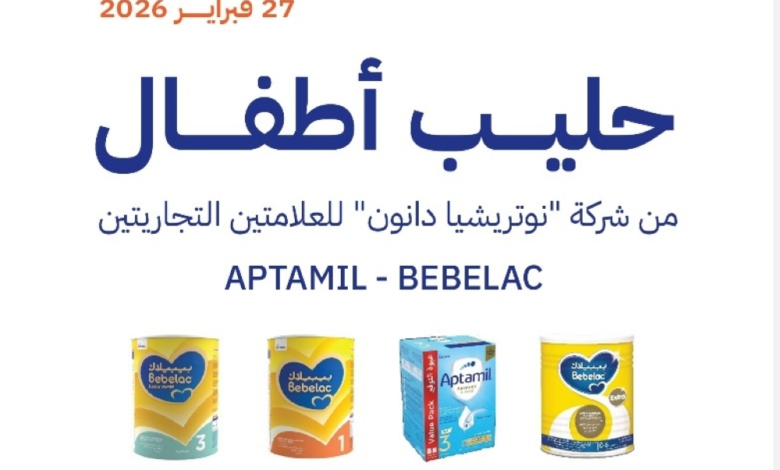
The Saudi Food and Drug Authority (SFDA) has issued an important warning to consumers regarding certain infant formula products manufactured by Nutricia Danone, including the popular brands Aptamil and Bebelac. This action is part of a voluntary and precautionary recall of the products from the market due to the potential contamination with the toxic substance cerulide, which is produced by the bacteria Bacillus cereus.
General context and risks of bacterial contamination
The safety of infant and child food is a top priority for health regulatory bodies worldwide, given the vulnerability of this age group and their weaker immune systems compared to adults. Bacillus cereus is a common microorganism in the environment and can easily contaminate food during production or processing. The greatest danger lies in the ability of some strains of this bacterium to produce toxins, including cerulide, a heat-resistant toxin that may not be completely eliminated even after pasteurization or home heating. This toxin causes severe gastrointestinal symptoms, making its presence in infant formula extremely dangerous.
The importance of the warning and its expected impact
This warning is of paramount importance locally, as it directly aims to protect the health of infants in Saudi Arabia. The swift action taken by the Saudi Food and Drug Authority (SFDA), in coordination with the manufacturer, reflects the effectiveness of the Kingdom's food safety system and its ability to respond to potential risks before illnesses occur. Regionally and internationally, Nutricia Danone is one of the world's largest food companies, and any recall of its products is closely watched. This action may prompt health authorities in other countries that import the same products to conduct further inspections, impacting the brand's global reputation and underscoring the importance of implementing rigorous quality standards in global food supply chains.
Details of procedures and possible symptoms
The authority explained that the recall was initiated following a voluntary notification from the company as a precautionary measure, and no adverse effects have been reported so far. If a contaminated product is consumed, symptoms may appear within 30 minutes to 6 hours, primarily including nausea, repeated vomiting, and abdominal pain. These symptoms are usually short-lived and resolve within 24 hours. The authority advised consumers to check the labeling of any products they possess, and if they match the batches covered by the warning, they should immediately stop using and dispose of them.
Strict penalties for violators
The Saudi Food and Drug Authority (SFDA) emphasized that violating the Food Law and its implementing regulations will result in severe penalties. According to the law, penalties can include imprisonment for up to 10 years, a fine of up to 10 million Saudi riyals, or both, to ensure the highest standards of food safety in the Saudi market.