Saudi Arabia and Pakistan discuss reducing regional tensions in a phone call
Intensive diplomatic efforts to contain regional tensions
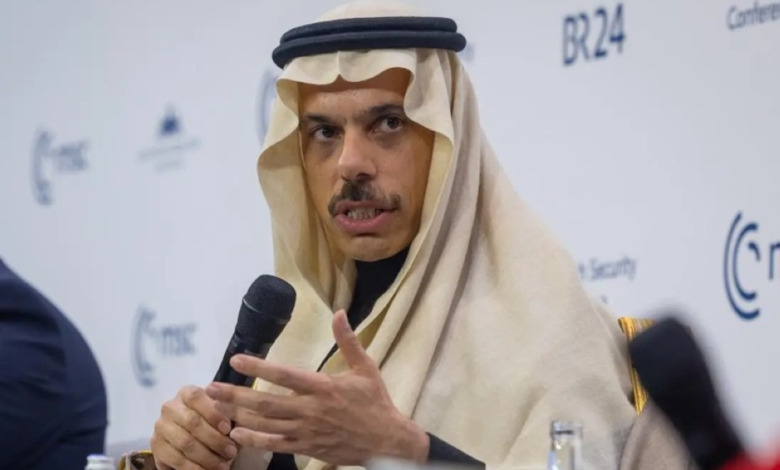
Amid the rapidly evolving situation in the Middle East, His Highness Prince Faisal bin Farhan bin Abdullah, the Saudi Minister of Foreign Affairs, held a telephone conversation with the Deputy Prime Minister and Foreign Minister of the Islamic Republic of Pakistan, Mr. Muhammad Ishaq Dar. The discussions, which took place at a critical juncture, focused on reviewing the latest developments in the region and exploring ways to de-escalate tensions and ensure the preservation of regional security and stability.
A tense regional context and a historical background to the relations
This contact comes at a time of escalating fears that the region could slide into a wider conflict, particularly in the wake of recent tensions between Iran and Israel and the ongoing repercussions of the war in the Gaza Strip. Saudi Arabia, with its political and economic weight, plays a pivotal role in leading diplomatic efforts to defuse crises. These efforts are based on a well-established foreign policy that advocates dialogue, restraint, and prioritizing peaceful solutions.
For its part, Pakistan is a significant regional power and a long-standing strategic partner of the Kingdom. Saudi-Pakistani relations are based on solid foundations of religious, cultural, military, and economic cooperation spanning decades. There has always been continuous coordination and consultation between Riyadh and Islamabad on regional and international issues of mutual interest, making this diplomatic engagement a natural and logical step in the context of the current crisis.
The importance of the Saudi-Pakistani move and its expected impact
Coordination between the Kingdom and Pakistan is of particular importance at this time. Both countries wield significant influence in the Islamic world, and their unified stance calling for de-escalation sends a clear message to all regional and international parties about the need to avoid further military confrontations that could have dire consequences for everyone.
Regionally, this move strengthens the front of countries advocating for peace and stability, and exerts diplomatic pressure on the conflicting parties to return to the negotiating table. Internationally, stability in the Middle East is vital to the global economy, given its direct link to the security of energy supplies and the safety of international shipping lanes. Therefore, the efforts of influential countries like Saudi Arabia and Pakistan are welcomed and supported by the international community, which seeks to prevent further deterioration of the situation.
This contact confirms the Kingdom’s continued leading role in adopting a preventive diplomacy approach, and working proactively with partners and allies to avert risks and protect the security of the region and its people from the repercussions of any potential conflict.