Saudi dates in Ramadan: Nutritional value and a heritage that supports the economy
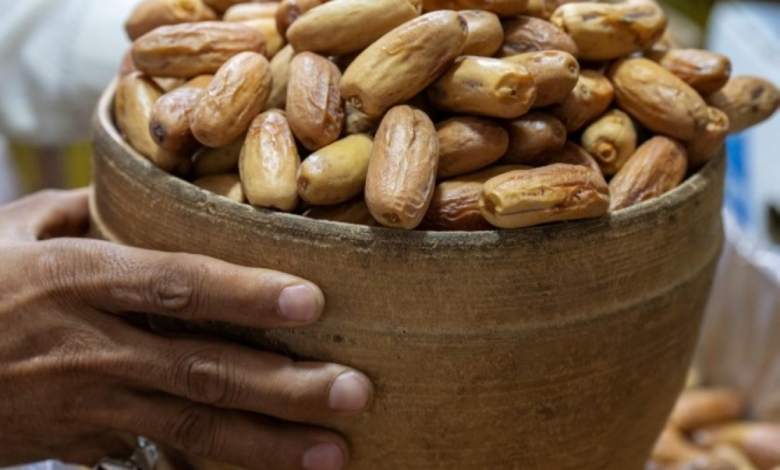
With the arrival of the holy month of Ramadan, the Saudi Ministry of Environment, Water and Agriculture renewed its call for citizens and residents to consume locally grown dates as part of its awareness campaign, “The Bounty of Our Land.” This call aims to highlight the high nutritional value and exceptional quality of Saudi dates, making them the ideal choice for Iftar and Suhoor meals.
A deep historical and cultural legacy
The association of dates with Ramadan is not merely a dietary custom; it is an integral part of the religious and cultural heritage of the Arabian Peninsula. Following the example of the Prophet Muhammad (peace be upon him) by breaking the fast with fresh or dried dates gives this fruit a special spiritual significance for Muslims. Furthermore, the date palm itself holds great symbolic value in Saudi heritage, representing generosity, hospitality, and patience, and has historically been a primary source of food and economic security for the region's inhabitants.
Ideal nutritional value for those fasting
Dates are a rich natural source of easily absorbed sugars like glucose and fructose, making them ideal for breaking a fast and providing the body with immediate energy after long hours of abstaining from food. In addition, dates are high in dietary fiber, which aids digestion and prevents constipation. They are also rich in essential minerals such as potassium, magnesium, and copper, vital for supporting heart health, strengthening bones, and enhancing various bodily functions. Some varieties, like Ajwa dates, possess unique health properties that have earned them a prestigious reputation.
Huge diversity and abundant production
Saudi Arabia is proud to be home to over 37 million date palms, producing more than 1.9 million tons of dates annually. This massive production comes with an astonishing diversity of over 400 varieties, each with its own distinct taste, texture, and characteristics. Among the most popular varieties that grace Saudi tables are: Sukkari, Khalaas, Ajwa, Sagai, Safri, Khudri, and many more, offering a wide range of choices to satisfy every palate.
A fundamental pillar of the national economy and Vision 2030
The date palm and date sector represents a significant economic pillar for the Kingdom, contributing to the growth of non-oil GDP and supporting thousands of farmers and their families. Supporting local products aligns with the goals of Saudi Vision 2030, which aims to achieve food security, diversify income sources, and strengthen national industries. The demand for local dates is not only a healthy choice but also an effective contribution to supporting the national economy and enhancing its sustainability.
Global leadership and international influence
The Kingdom holds a leading global position in the production and export of dates, with its high-quality products reaching markets in more than 110 countries worldwide. This leadership not only strengthens the Kingdom's trade balance but also contributes to promoting Saudi culture globally, showcasing a national product that combines authenticity with superior quality. The Ministry urged consumers to take advantage of this diversity and quality, emphasizing that supporting local products is an investment in the nation's future and economy.