Russia: Negotiations with Iran are possible, but warns of widespread chaos
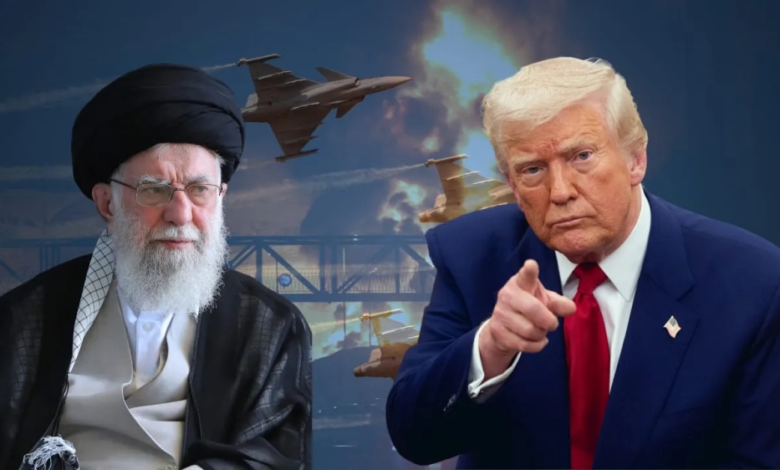
Russia reaffirmed its opposition to the escalating military tensions in the Middle East on Thursday, emphasizing that the diplomatic path to resolving the deep-seated disagreements surrounding the Iranian issue remains open and has not reached a dead end. These official statements, delivered by Kremlin spokesman Dmitry Peskov, served as both reassurance and a warning, commenting on the rising tide of tensions and unprecedented mutual threats between the United States and the Islamic Republic of Iran.
Calls for restraint amid the drums of war
Peskov stated during his daily press briefing, "It is perfectly clear to Moscow that the possibilities for negotiation and political solutions have not yet been exhausted." The Russian spokesman called on all parties involved to exercise maximum restraint and refrain from threatening the use of military force to resolve this complex conflict, adding in a warning tone that "any resort to force in these sensitive circumstances will only lead to widespread chaos in the region and will have extremely serious and unpredictable consequences.".
Context of tension and mutual threats
These Russian warnings come at a time of sharp international polarization, following fiery statements by US President Donald Trump, who warned that "time is running out" to avert a military strike, asserting that the United States is ready, willing, and able to strike Iranian targets if necessary to deter Tehran. In response, Iran issued a swift and decisive statement, with Foreign Minister Abbas Araqchi declaring that his country's armed forces are on high alert and "their fingers are on the trigger" to respond immediately and with overwhelming force to any potential aggression, whether from land, sea, or air.
Background of the conflict and its regional repercussions
This renewed tension stems from the complexities of the political landscape surrounding the Iranian nuclear agreement, previous withdrawals, and the economic sanctions imposed by Washington, which have placed the region on a knife's edge. Russia, as a major international power and an influential strategic partner in the Middle East, seeks to maintain the geopolitical balance and prevent the situation from escalating into open military confrontation.
Observers and political analysts believe that the Kremlin's warnings against "stirring up chaos" reflect genuine international concerns about the impact of any direct military conflict on the stability of global energy supplies, given the strategic importance of the Strait of Hormuz and the Arabian Gulf. Any large-scale military escalation would not only have catastrophic consequences for the two warring nations, but would extend to the entire global economy, causing a dramatic surge in oil prices and posing a serious threat to international shipping lanes—a scenario that Russian diplomacy is trying to avoid by keeping communication channels open.