Two dead and 30 injured in Iran protests: Details of clashes in Erdogan
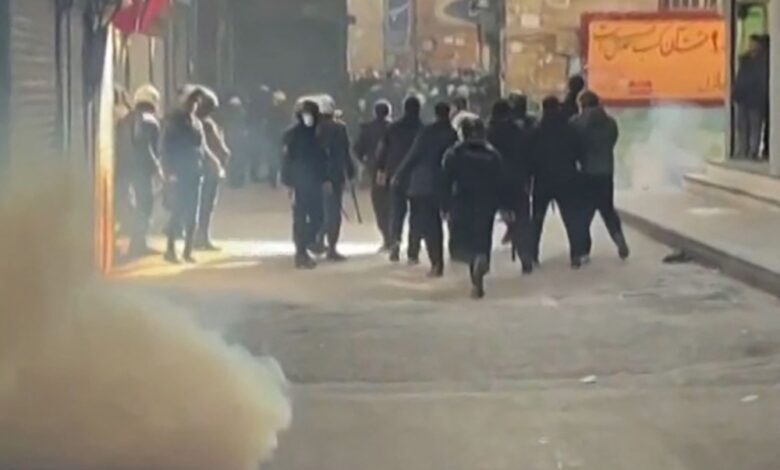
Southwestern Iran witnessed a dangerous escalation in violence on Wednesday, with clashes leaving two dead and 30 others injured, as the protests in the Islamic Republic entered their eleventh day. These developments further complicate the already tense domestic situation, with unrest continuing in several Iranian cities.
Details of Erdogan's clashes
According to the semi-official Iranian news agency Fars, clashes erupted in the city of Lordegan, beginning with a gathering of merchants and citizens. The gathering quickly escalated into violent confrontations, with the official account stating that "rioters" initiated the violence by throwing stones at police and security forces, rapidly escalating tensions.
The agency added in its report that the situation spiraled out of control when some individuals at the protest site used military and hunting weapons, opening fire unexpectedly on police officers. To date, neither official sources nor the agency have clarified whether the two fatalities were members of the security forces or protesters, leaving room for speculation about the nature of the casualties and the extent of the violence.
General context and internal security challenges
This incident comes amid a wave of protests that have continued for eleven days, and it is not the first time Iran has witnessed similar unrest. These protests in Iranian provinces and cities are often linked to demands for improved living conditions and economic reforms, or objections to specific government policies. Iranian authorities face increasing challenges in containing the recurring public anger stemming from economic pressures, international sanctions, and issues of civil liberties.
Iranian state media typically use terms like "rioters" to describe protesters who resort to violence, while international human rights organizations accuse the authorities of using excessive force to suppress peaceful demonstrations. The use of live ammunition or hunting rifles in such conflicts is a dangerous indicator of the level of tension between the public and the security forces.
Expected impacts and regional dimensions
The continuation of the protests and the resulting casualties carry significant implications at both the local and regional levels. Domestically, the deaths could fuel anger and expand the protests to other cities in solidarity with the victims, presenting the regime with a difficult test in restoring stability without sliding into a wider spiral of violence.
Internationally, Western capitals and UN organizations are closely monitoring these developments. Reports of violence against protesters typically draw widespread condemnation from the United Nations and human rights organizations, which urge Tehran to respect the right to peaceful assembly and refrain from using violent security measures. The recurrence of such incidents could further isolate Tehran diplomatically and lead to increased political and economic pressure on the Iranian government in international forums.