Smart headset that predicts epileptic seizures using artificial intelligence
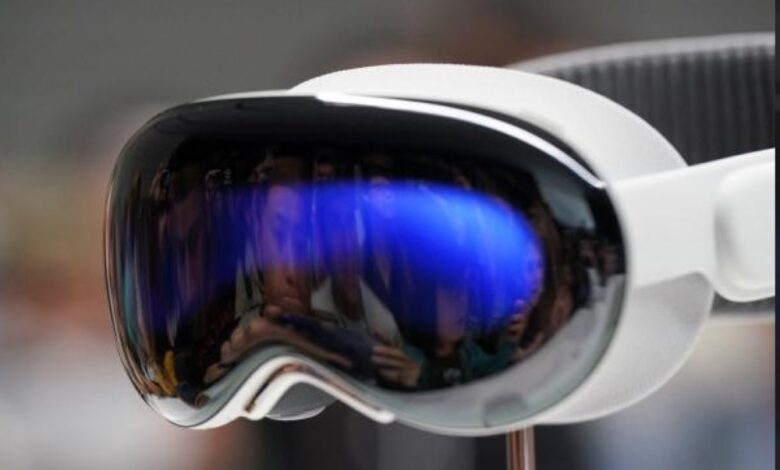
In a groundbreaking achievement combining advanced technology and medical science, a team of researchers at Scottish Caledonian University has developed a smart headset that uses artificial intelligence algorithms to predict epileptic seizures minutes in advance, with an astonishing accuracy of up to 95%. This innovation is not just a new technological tool; it represents a lifeline for millions of patients worldwide who suffer from the uncertainty and constant fear of sudden seizures.
How the new technology works
The innovative stethoscope relies on a sophisticated vital signs monitoring system, simultaneously analyzing brain waves (EEG) and cardiac activity (ECG). By processing this data using machine learning techniques, the stethoscope can detect subtle changes and abnormal patterns that precede a seizure, which the patient often doesn't notice. Once these indicators are detected, the patient receives an immediate alert, giving them enough time to get into a safe position or seek help.
Medical context and challenges of epilepsy
Epilepsy is one of the most common neurological disorders worldwide, affecting millions of people of all ages. The major challenge of this disease lies not only in the seizures themselves, but also in the element of surprise. The inability to predict when the next seizure will occur severely limits patients' lives, preventing them from carrying out their daily activities normally for fear of serious physical injuries from falls or loss of consciousness in unsafe places, not to mention the psychological and social stress associated with the disease.
The importance of innovation and its expected impact
This achievement is of paramount importance on several levels:
- On a personal level for the patient: This innovation gives patients a sense of independence and security, as it greatly reduces the risk of physical injuries associated with sudden falls, and alleviates the constant anxiety that dominates their lives and the lives of their loved ones.
- On the medical front: This innovation opens the door to a new generation of wearable health technology that not only monitors health conditions but also predicts risks before they occur, thus enhancing the concept of proactive preventive medicine.
- Global impact: With the increasing reliance on artificial intelligence in healthcare, such technologies are expected to help reduce the burden on emergency systems and hospitals by enabling patients to better manage their conditions outside of medical institutions.
Integrating artificial intelligence into the diagnosis and treatment of neurological diseases represents the future of healthcare, and this headset is a promising step towards improving the quality of life for millions, and transforming the fear of the unknown into the ability to control and manage.