The Crown Prince discusses regional escalation with the leaders of Pakistan and Egypt
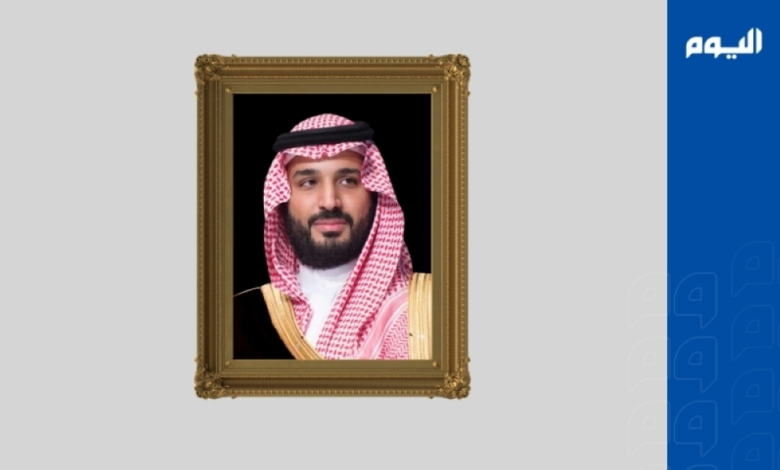
Amid escalating tensions in the Middle East, His Royal Highness Prince Mohammed bin Salman bin Abdulaziz Al Saud, Crown Prince and Prime Minister, held separate telephone conversations with His Excellency the Prime Minister of the Islamic Republic of Pakistan, Mr. Mohammad Shahbaz Sharif, and His Excellency the President of the Arab Republic of Egypt, Mr. Abdel Fattah al-Sisi. Discussions focused on the serious regional developments and the recent military escalation, as well as ways to contain its repercussions on the security and stability of the region.
General context and historical background
These contacts come at a critical time, following an unprecedented escalation between Iran and Israel that threatens to drag the region into a wider war. The region has been experiencing geopolitical competition for decades, particularly between Saudi Arabia and Iran, which has affected the stability of several neighboring countries. Major regional powers, such as Saudi Arabia, Egypt, and Pakistan, view any direct military escalation with grave concern, given its potentially disastrous consequences for regional security and global economic interests, especially the stability of energy markets and vital shipping lanes.
Details of the talks and emphasis on solidarity
During the two calls, the current situation was reviewed in detail, with all leaders emphasizing the need to exert every possible diplomatic effort to prevent further escalation and urging all parties to exercise maximum restraint. Both the Pakistani Prime Minister and the Egyptian President expressed their countries' full solidarity with the Kingdom of Saudi Arabia and their support for any measures the Kingdom takes to preserve its sovereignty, security, and stability in the face of any threats, affirming that the Kingdom's security is an integral part of the security of the region and the Islamic world.
The importance of the event and its expected impact
These consultations are of paramount strategic importance, reflecting high-level coordination among three of the largest Islamic and Arab states in terms of political and military influence. Regionally, this diplomatic move sends a clear message of a unified front seeking de-escalation and prioritizing reason over escalation. It also underscores the pivotal role played by the Kingdom of Saudi Arabia, under the leadership of the Crown Prince, in spearheading efforts to achieve stability. Internationally, these contacts demonstrate to the international community that influential regional powers are working diligently to contain the crisis, which could bolster international efforts to reduce tensions and avert a devastating regional war whose repercussions could extend beyond the Middle East to impact the entire global economy.