A citizen was rescued from drowning in Bish, Jazan: Border Guard efforts
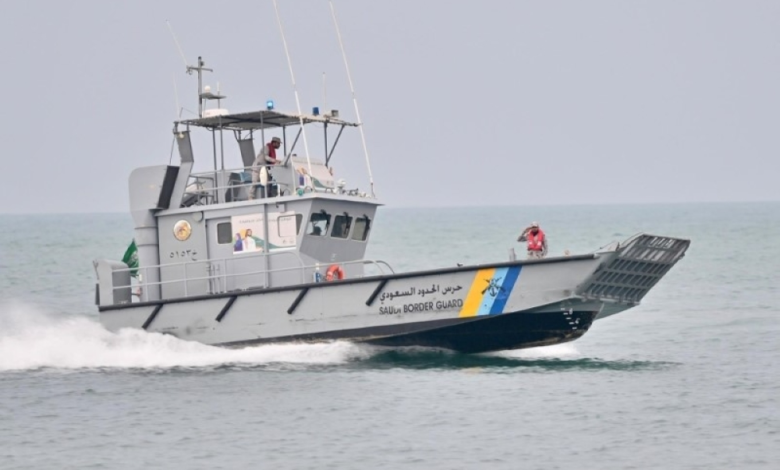
In a heroic operation reflecting their high level of preparedness, the search and rescue teams of the Border Guard in Bish Governorate, Jazan Region, rescued a Saudi citizen who was drowning while swimming. The specialized teams responded immediately upon receiving the report, handling the situation with exceptional professionalism and speed, which contributed to saving the citizen's life. He received necessary first aid at the scene before being transferred to the hospital for further medical care and to ensure his well-being.
This operation comes within the framework of the ongoing humanitarian efforts of the General Directorate of Border Guards in the Kingdom of Saudi Arabia, whose duties extend beyond protecting land and sea borders to include maritime search and rescue operations. Border Guard teams are equipped with modern technology and highly trained personnel to handle emergencies in diverse maritime environments, thus enhancing the safety and security of travelers and tourists along the Kingdom's coastlines.
The province of Bish in the Jazan region is a popular coastal tourist destination, attracting many visitors and vacationers, especially with its pleasant weather. This underscores the vital role of the Border Guard in securing these areas. Awareness of the dangers of the sea and adherence to safety instructions are essential to reducing drowning incidents. Relevant authorities continuously monitor the beaches and provide guidance and advice to vacationers to ensure a safe and enjoyable experience.
In this regard, the General Directorate of Border Guards reiterated its warnings to beachgoers and swimmers to exercise caution and strictly adhere to maritime safety guidelines. The Directorate emphasized the importance of swimming only in designated and permitted areas and avoiding prohibited areas or those with strong currents that could pose a risk to life, stressing that safety is a shared responsibility that begins with individual awareness.
The Directorate also urged everyone not to hesitate to seek help in the event of any emergency - God forbid - by calling the unified emergency numbers, which are (911) in the regions of Makkah, Madinah and the Eastern Province, and the number (994) in the rest of the regions of the Kingdom, stressing that its teams are ready to provide aid and assistance around the clock.