Russia-Ukraine negotiations: Witkov reveals the final obstacle to peace
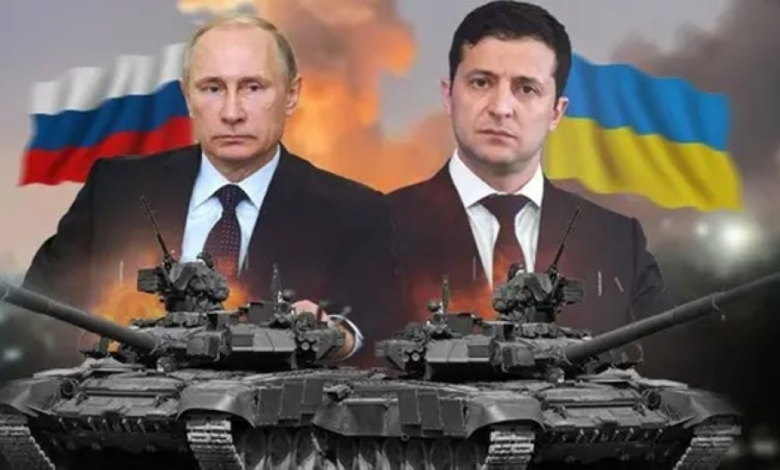
In a significant development that could alter the course of the conflict in Eastern Europe, Steve Witkopf, the US president's envoy, revealed unprecedented progress in talks aimed at ending the war between Russia and Ukraine. Speaking to reporters on Thursday on the sidelines of the World Economic Forum in Davos, Switzerland, he confirmed that negotiations had come a long way and that only "one issue" remained unresolved between Kyiv and Moscow.
Details of progress in negotiations
Witkov, who is preparing to visit Moscow with Jared Kushner, the US president's son-in-law, explained that current discussions are focused intensively on this single point of contention. Speaking at an event dedicated to the Ukrainian situation, he said, "I think it's now down to one issue, and we've already discussed several ways to resolve it, which means that reaching a settlement is very possible." He added optimistically, "If both sides have the will to resolve it, we will do it," without revealing the nature of this thorny issue or the specific details of the proposals under consideration.
Trump's vision: Europe and NATO first
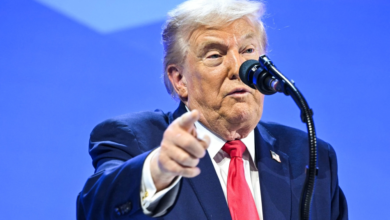
In a related development reflecting the new direction of US foreign policy, President Donald Trump sharply criticized European countries and NATO regarding their handling of the Ukraine crisis. Addressing political and economic elites in Davos, Trump asserted that the primary responsibility lay with Europe and NATO, not the United States.
Trump questioned the scale of American spending, asking, "What does the United States gain from all this work and money except death and destruction? These enormous sums are going to people who don't appreciate what we're doing." He emphasized the geographical distance as a crucial factor in his view, saying, "The United States is very far away; there's a vast ocean separating us. They should take care of Ukraine," indicating that the greatest burden should be borne by the countries neighboring the conflict and directly affected by it.
The geopolitical context and the importance of the current move
These statements are of paramount importance given their timing and venue; the Davos Forum is a global decision-making platform, and the mention of "one remaining issue" suggests that back-channel diplomacy is operating more effectively than is publicly acknowledged. The upcoming visit of Wittkopf and Kushner to Moscow further reinforces the notion of a genuine American desire to resolve this issue, which has drained the global economy and triggered energy and food crises affecting various continents.
Observers believe that the American pressure to place greater responsibility on Europe falls within the "America First" strategy, which aims to reduce US involvement in costly foreign conflicts and restructure traditional alliances so that allies bear their fair share of the burden of collective defense and security. The success of these negotiations will not only mean a cessation of military operations but will also establish a new phase in international relations and the balance of power between the West and the East.