Saudi Arabia: 76 million palm trees inspected and the red palm weevil defeated
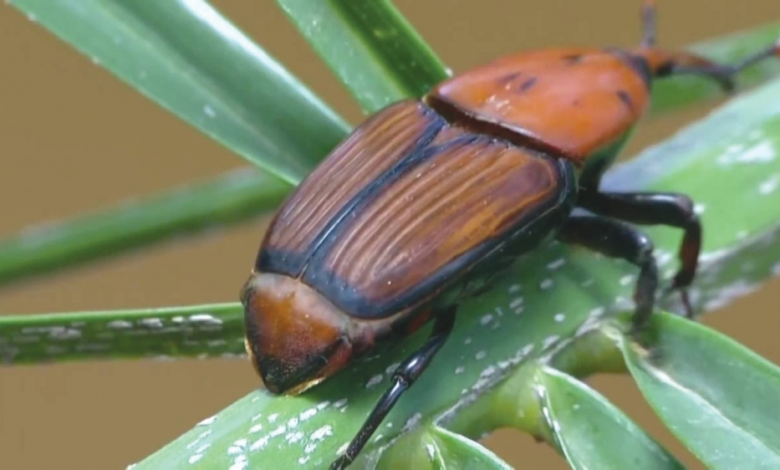
In a strategic move reflecting the Kingdom of Saudi Arabia's commitment to protecting its plant resources and enhancing food security, the National Center for Plant Pest and Animal Disease Prevention and Control (Wiqa') announced a major field achievement: the inspection of more than 76 million palm trees. This proactive and large-scale initiative aims to contain the red palm weevil and safeguard the Kingdom's agricultural identity, of which the palm tree is a fundamental symbol.
The economic and cultural importance of palm trees in the Kingdom
The importance of this campaign extends beyond the environmental aspect to encompass profound economic and historical dimensions. The Kingdom of Saudi Arabia is one of the world's largest date producers, with millions of palm trees that constitute a vital economic resource within the framework of the Kingdom's Vision 2030 goals to boost non-oil exports. Furthermore, the date palm represents a cultural and popular heritage, having been inscribed on UNESCO's Representative List of the Intangible Cultural Heritage of Humanity, making its protection a national duty to safeguard this ancient legacy from destructive threats.
Field survey results and treatment techniques
The results of the comprehensive field survey conducted by the center revealed that 204,000 palm trees were infested. Specialized teams dealt with these infestations with high professionalism and exceptional speed. The teams successfully saved and treated 150,500 palm trees using phosphine technology, reflecting the effectiveness of the approved chemical treatment programs and their ability to limit the spread of the pest.
As part of its diversified control methods, the center resorted to precise mechanical treatment techniques to treat an additional 20,000 palm trees using scraping and injection methods. In a clear indication of the success of the early control, the teams only had to remove 1,676 palm trees, a very small number compared to the massive inspection that covered tens of millions, thus confirming the effectiveness of the preventive measures implemented.
Eastern Province: First Line of Defense
In terms of the geographical distribution of efforts, the Eastern Province led the way in preventative operations, accounting for the largest share with nearly 18 million palm trees inspected, thus serving as the first line of defense against this pest. It was followed by the Riyadh region, which recorded the inspection of approximately 13.7 million palm trees across its sprawling farms, reflecting the scale of the effort exerted in areas with high agricultural density.
The Madinah region came in third place with more than 10.6 million palm trees inspected, followed by the Hail region with about 8.6 million palm trees, then Al-Qassim with 8.1 million palm trees, while the rest of the numbers were distributed across the various regions of the Kingdom, with the lowest number in the Al-Baha region.
Record success indicators and smart technologies
This well-devised defense strategy has resulted in a record low infestation rate of the red palm weevil across the Kingdom, at just 0.27%. This figure is a strong indicator of the success of the control and containment plans for this dangerous pest, known as the “hidden enemy” due to its ability to destroy the palm trunk from within before symptoms appear, potentially causing total crop losses if neglected.
The center bolstered its field operations by launching an applied project for an internationally recognized early detection technology. This technology acts as an intelligent warning system to identify infestations in their initial, invisible stages. These technologies contribute to increased control efficiency and reduced waste of agricultural resources. The center emphasized that these millions of cases reflect concerted national efforts to ensure the sustainability of agricultural production, affirming the ongoing fight against pests to protect food security and plant resources in the Kingdom.