“Wiqaa” protects Al-Jumoum tomatoes with a workshop to combat “brown wrinkle”
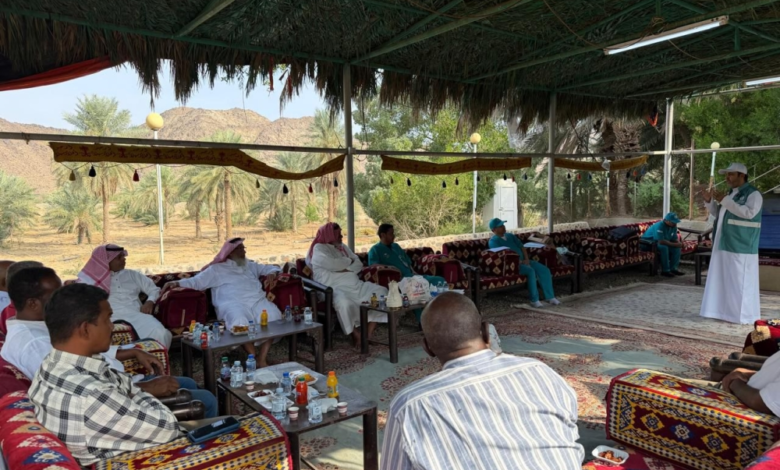
In a strategic move aimed at strengthening food security in the Kingdom of Saudi Arabia, the National Center for Plant Pest and Animal Disease Prevention and Control (Wiqa’) in the Makkah region launched a specialized workshop in Al-Jumum Governorate. This event was a response to current agricultural challenges, focusing primarily on mobilizing the efforts of farmers and specialists to combat brown rot disease affecting tomato fruits, which is considered one of the most significant threats facing this vital crop.
Enhancing food security and protecting crops
This workshop comes within the framework of the Kingdom's ongoing efforts to achieve self-sufficiency and enhance the efficiency of local agricultural production, in line with the objectives of Vision 2030. Al-Jumum Governorate holds particular importance as it is one of the active agricultural areas contributing to the food supply of the Makkah region. The workshop aimed to raise awareness among agricultural producers about the dangers of this viral disease, highlighting its direct and serious impact on the quantity and quality of tomato production, which could lead to significant economic losses if not addressed with immediate and well-considered technical intervention.
Understanding the nature of the brown wrinkle virus
During the workshop sessions, specialists from the "Wiqa" Center reviewed the scientific and technical aspects of the disease, explaining that Tomato Brown Curl Virus (ToBRFV) is a highly contagious virus belonging to the genus Topamovir. The experts presented a detailed map of the most prominent symptoms of the disease to ensure early detection, which include the appearance of yellow or brown spots and deformities in the leaves and fruit that render them unmarketable. They also explained its rapid transmission methods, whether through contaminated seeds, mechanical contact, or unsterilized agricultural tools, making hygiene and sterilization procedures the cornerstone of the control strategy.
Preventive measures and practical solutions
The center presented a comprehensive package of strict preventative measures and internationally recognized control methods, providing farmers with practical solutions to limit the spread of the virus. Recommendations included the necessity of using certified, virus-free seeds and seedlings, implementing internal quarantine procedures on farms, and safely disposing of infected plants immediately upon discovery to ensure the protection of the remaining agricultural land from damage.
Field interaction and transfer of expertise
The event witnessed widespread engagement through live demonstrations and open discussions, where experts addressed farmers' concerns and provided precise technical recommendations to enhance daily agricultural practices and correct misconceptions about infection methods and control. The "Wiqaa" Center focuses its ongoing efforts on empowering farmers with knowledge by transferring scientific expertise and best practices, aiming to improve the efficiency of managing priority pests and ensure the sustainability of agricultural production. This, in turn, positively impacts farmers' economics and provides safe and healthy products for consumers.