Jazan and Al-Baha weather: Rain, active winds, and weather warnings
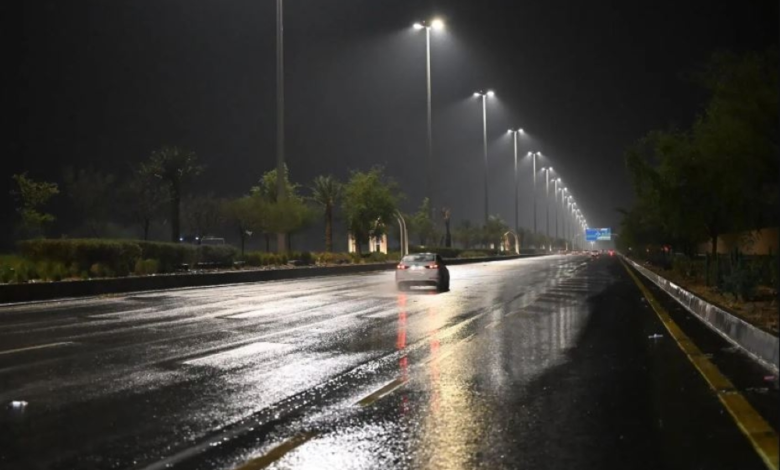
The National Center for Meteorology issued important weather alerts on Friday regarding the weather conditions in the southern and southwestern regions of the Kingdom of Saudi Arabia, indicating expectations of rainfall and surface wind activity that will affect horizontal visibility in the Jazan and Al-Baha regions.
Weather details in the Jazan region
The center explained in its daily report that the Jazan region is experiencing light rainfall accompanied by active winds that may stir up dust and sand, reducing horizontal visibility, in addition to the possibility of thunderstorms. This weather pattern includes a large number of governorates and centers, namely: Baysh, Al-Darb, Sabya, Damad, Samtah, Al-Tuwal, Abu Arish, Ahad Al-Masarihah, Al-Harath, Al-Dayer Bani Malik, Al-Raith, Al-Ardah, Al-Aydabi, Fifa, and Harub, as well as Farasan Island and the Al-Fatihah center.
The National Center for Meteorology indicated that this weather condition in the Jazan region will continue - God willing - until seven o'clock this evening, calling on everyone to be cautious.
Rain and strong winds in the Al-Baha region
In a related development, the center warned of similar rainfall in the Al-Baha region, accompanied by strong winds and reduced horizontal visibility, with a chance of thunderstorms. The report indicated that the affected areas include Al-Baha city, and the governorates of Al-Aqiq, Baljurashi, Al-Qura, Bani Hassan, Al-Mandaq, Al-Makhwah, Qalwah, Al-Hajrah, Ghamid Al-Zanad, and surrounding areas. This weather pattern is expected to continue until 8:00 PM.
The geographical and climatic context of the affected areas
These weather fluctuations are part of the climatic and geographical characteristics of southwestern Saudi Arabia. The rugged mountainous terrain, particularly the Sarawat Mountains that traverse Al-Baha and extend to the eastern highlands of Jazan, plays a key role in the formation of cumulonimbus clouds. These topographical factors, combined with the humidity from the Red Sea, make these areas prone to atmospheric instability and frequent rainfall, distinguishing their climate from the arid desert regions of the Kingdom.
The importance of early warning and safety guidelines
The early warning system implemented by the National Center of Meteorology is of paramount importance in maintaining public safety. By monitoring weather changes and issuing color-coded alerts, relevant authorities such as Civil Defense and Highway Patrol can take necessary precautions. These alerts also help citizens and residents plan their movements and avoid potentially hazardous areas, especially steep mountain roads that may be prone to landslides or flash floods.
Experts always advise that in such weather conditions, it is necessary to stay away from valleys and flood channels, and not to risk crossing them no matter how high the water level is, in addition to leaving safe distances while driving to avoid accidents resulting from vehicles slipping or poor visibility.