New airport security regulations in Saudi Arabia: localization and training
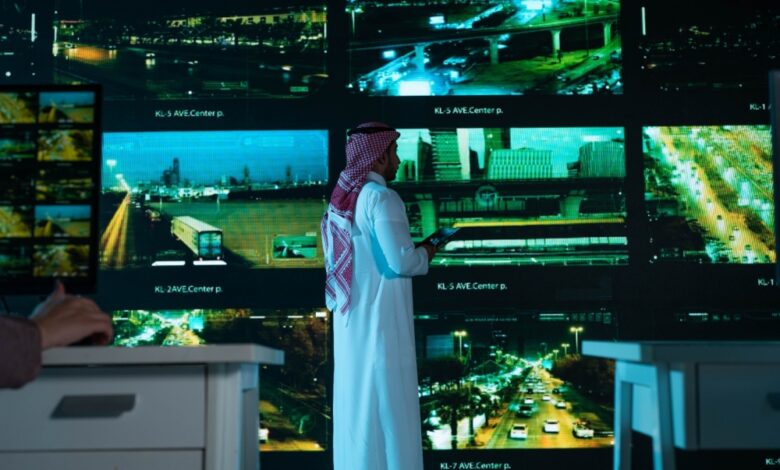
In a strategic move aimed at enhancing the air transport system in the Kingdom of Saudi Arabia, the General Authority of Civil Aviation (GACA) has unveiled the outlines of the new regulatory framework for granting licenses to operate aviation security services at the Kingdom's airports. This step aims to solidify aviation safety standards in accordance with the highest international benchmarks, establishing stringent requirements that include full Saudization of jobs, specialized training, and direct coordination with sovereign security agencies.
Strategic context: Civil aviation and Vision 2030
These regulatory moves cannot be viewed in isolation from the broader context of the Kingdom's aviation sector, a cornerstone of Saudi Vision 2030. With the launch of the National Aviation Strategy, which aims to connect the Kingdom to over 250 international destinations and reach 330 million passengers annually by 2030, developing the security and regulatory infrastructure has become imperative. The General Authority of Civil Aviation (GACA) is working through these regulations to close any regulatory gaps that might hinder this rapid growth, ensuring the smooth and safe flow of passenger and cargo traffic.
Localization requirements and training of national cadres
The new regulations place great emphasis on human resources, requiring security companies to fully Saudize their workforce by employing qualified Saudi nationals. The regulations go beyond mere employment, mandating that these personnel undergo intensive training programs aligned with the National Civil Aviation Security Program. This includes obtaining the necessary professional licenses and providing certificates of good conduct, thus enhancing the reliability of personnel working in sensitive locations such as airline facilities, banks, duty-free shops, and check-in counters.
Security integration and strict oversight
To ensure consistency in standards and a unified security framework, the regulations presented through the "Istilaa" platform stipulate that work in this sector requires prior authorization from the "High Commission for Industrial Security." This requirement underscores the integration between regulatory and security bodies in the Kingdom. Furthermore, the General Authority of Civil Aviation granted itself broad oversight powers, including the right to summon company representatives, verify data, and refuse permit renewals if any security or safety requirements are detected. Permit durations range from one to five years, depending on the airport's classification.
Expected impact: International commitment and enhanced confidence
This regulation is expected to bring about a qualitative leap in the level of security services provided at Saudi airports. Internationally, this regulation enhances the Kingdom's compliance with the standards of the International Civil Aviation Organization (ICAO), raising the global ranking of Saudi airports and increasing the confidence of international airlines and passengers in the Saudi security system. Domestically, these controls will contribute to creating thousands of job opportunities for young Saudis in a vital and growing sector, while ensuring a safe and stable aviation environment that supports the Kingdom's economic and tourism ambitions.