Weather alerts: Dense fog and reduced visibility in 7 Saudi regions
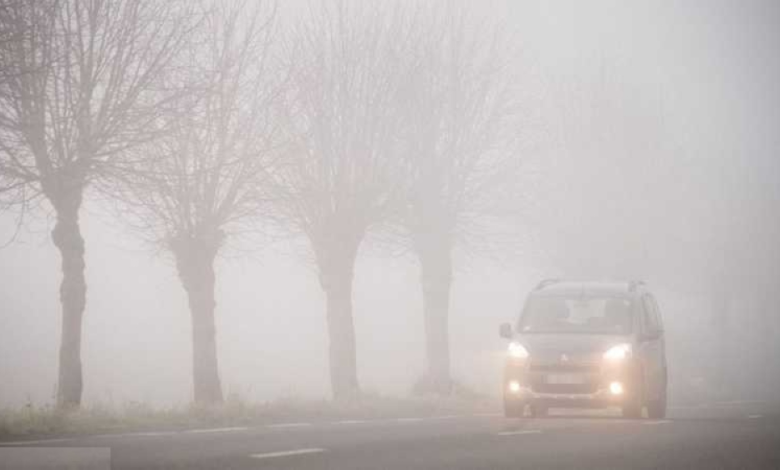
The National Center for Meteorology in Saudi Arabia issued weather for the early morning hours of Thursday, indicating the formation of fog of varying intensity affecting large parts of seven administrative regions in the Kingdom. The report explained that this weather condition will lead to a decrease in horizontal visibility, ranging between 3 and 5 kilometers in some areas, while visibility may reach near-zero (1 to 3 kilometers) in others. This necessitates caution from drivers and highway users.
Details of the regions and cities affected by the weather conditions
The report included a detailed breakdown of the cities and governorates that will experience this weather phenomenon, which are as follows:
- The Eastern Province includes Jubail, Khobar, Dammam, Qatif, Ras Tanura, Al-Ahsa, Al-Udayd, and Abqaiq. The Eastern Province is considered one of the areas most prone to fog due to high humidity levels resulting from its proximity to the Arabian Gulf.
- Riyadh region: includes Al-Hariq, Al-Kharj, Al-Dilam, Al-Muzahmiya, Hawtat Bani Tamim, Al-Diriyah, in addition to the capital, Riyadh.
- Tabuk region: Both Tayma and Tabuk city are affected.
- Jazan region: It includes the highlands and governorates such as Al-Harath, Al-Dayer, Al-Raith, Al-Ardah, Al-Aydabi, Fifa, and Haroub.
- Asir region: It includes Al Namas, Balqarn, Tanomah, Abha, Ahad Rafidah, and Khamis Mushait, where the altitude above sea level contributes to the condensation of clouds and fog.
- Al-Jawf region: Dumat Al-Jandal, Sakaka, Al-Qurayyat, and Tabarjal.
- Northern borders: Tarif, Rafha, Al-Uwaiqilah, and Arar.
Climate context and the importance of early warnings
These warnings come amidst the seasonal changes occurring in Saudi Arabia, where weather at this time of year is characterized by noticeable fluctuations, including lower temperatures and higher surface humidity levels, creating conditions conducive to the formation of dense fog, particularly during the late night and early morning hours. The National Center for Meteorology is the official body authorized to monitor these phenomena and issue early warnings to ensure the safety of lives and property.
These warnings are of paramount importance given the direct impact of fog on land and air traffic. From a traffic perspective, reduced visibility increases the risk of accidents on highways connecting cities and provinces, necessitating increased field presence and guidance for drivers from relevant authorities such as road security and traffic police. Economically and logistically, dense fog can sometimes disrupt flight schedules or port operations in coastal areas such as the Eastern Province and Jazan.
Public safety recommendations
In these conditions, traffic safety and meteorology experts advise following safe driving guidelines in foggy conditions. These include reducing speed, using fog lights instead of high beams which can impair visibility, and maintaining a safe distance between vehicles. It is also recommended to regularly check updated weather forecasts through the official channels of the National Center of Meteorology to ensure road conditions are correct before embarking on long journeys between regions.