Vienna nuclear talks: Will efforts to contain the Iranian program succeed?
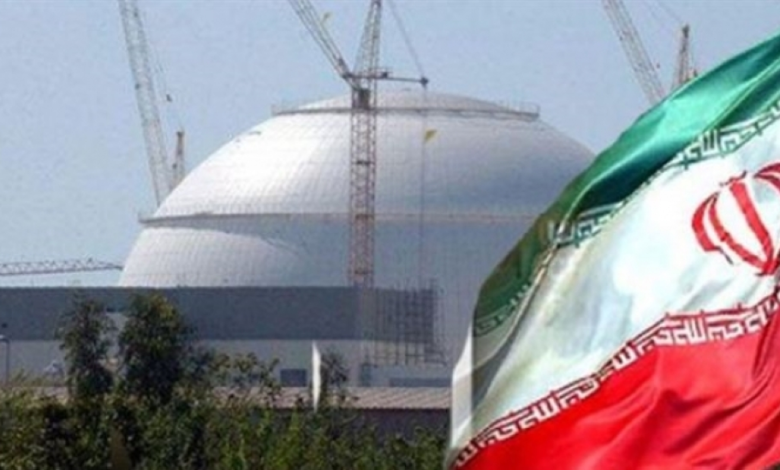
The world's attention is once again focused on Vienna, Austria, which is hosting a new round of crucial technical talks on Iran's nuclear program. These meetings come at a critical juncture, as world powers and the International Atomic Energy Agency seek clear assurances about the nature of Iran's nuclear activities amid escalating tensions in the Middle East.
Historical background and context of negotiations
The controversy surrounding Iran’s nuclear program dates back decades, but it reached its peak with the signing of the Joint Comprehensive Plan of Action (JCPOA), commonly known as the “nuclear deal,” in 2015. Under this agreement, Iran agreed to significantly restrict its nuclear program in exchange for the lifting of international economic sanctions. However, the United States’ unilateral withdrawal from the agreement in 2018 and its reimposition of sanctions prompted Tehran to gradually roll back its commitments, including increasing the levels and quantities of uranium enrichment and reducing its cooperation with inspectors from the International Atomic Energy Agency.
The importance and challenges of the current talks
Current technical talks are focused on addressing outstanding issues between Iran and the International Atomic Energy Agency (IAEA). The most significant of these issues is Iran's growing stockpile of uranium enriched up to 60%, a level very close to the 90% purity required for weapons-grade uranium. According to IAEA reports, this stockpile has reached alarming levels, significantly reducing the time Iran would theoretically need to produce enough fissile material for a nuclear weapon.
The IAEA Director General, Rafael Grossi, has repeatedly stressed the need for Iran to provide “constructive and full” cooperation to allow inspectors to verify all nuclear material in the country and ensure it is not diverted for non-peaceful purposes. The agency faces challenges in accessing key sites such as Fordow and Natanz and in retrieving surveillance camera data, which the agency considers “essential” for maintaining continuous knowledge of Iran’s nuclear activities.
Regional and international influences
The outcome of these talks in Vienna carries significance that extends beyond the technical aspects. Regionally, the progress of Iran's nuclear program is a source of concern for neighboring countries, particularly Saudi Arabia and the United Arab Emirates, as well as Israel, which views the program as an existential threat. Any diplomatic failure could increase the likelihood of a nuclear arms race in the region or lead to preemptive military action, threatening to destabilize the entire Middle East.
Internationally, the Iranian nuclear issue represents a true test for the global nuclear non-proliferation regime based on the Treaty on the Non-Proliferation of Nuclear Weapons (NPT), which Iran has signed. Reaching a diplomatic solution that guarantees the peaceful nature of Iran’s nuclear program will strengthen the credibility of international efforts to prevent the spread of nuclear weapons, while failure could undermine this fragile regime. Therefore, these talks are a necessary, albeit difficult, step toward finding a sustainable solution that ensures security and stability at both the regional and international levels.