Vance: Striking Iran will not lead to a long-term war in the Middle East
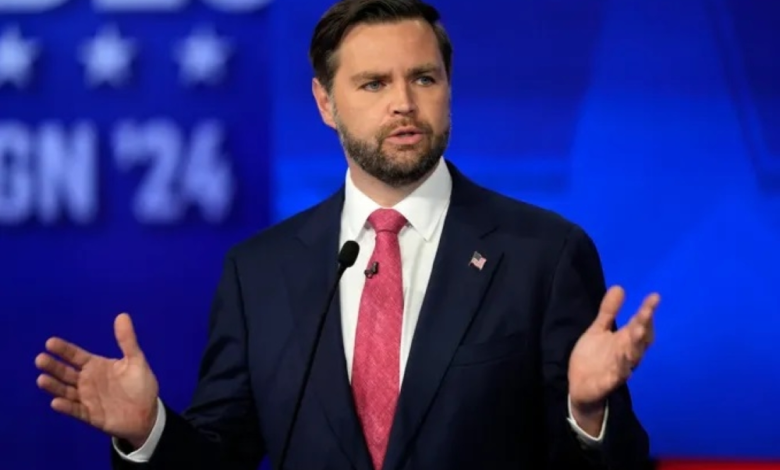
U.S. Senator J.D. Vance, whose name has been floated as a potential running mate for Donald Trump, asserted that a military strike against Iran would not necessarily lead to a protracted war in the Middle East. Vance made these remarks in an interview with The Washington Post, dismissing the notion that the United States would find itself embroiled in a complex and protracted conflict and rejecting comparisons to past wars in the region.
“The idea that we’re going to be fighting a war in the Middle East for years with no end in sight is completely unacceptable,” said Vance, a former U.S. Marine who served in the Iraq War. He added that while “the diplomatic option is our preferred one, it really depends on what the Iranians do and say,” emphasizing that the U.S. response will depend on Tehran’s actions.
General context and historical background of the event
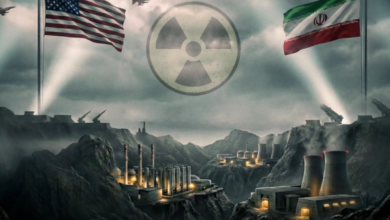
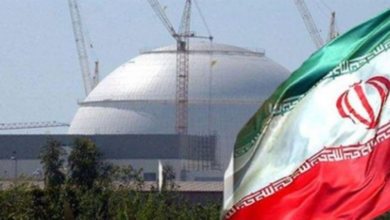
These statements come amid escalating tensions between the United States and Iran, a complex relationship spanning decades. Since the Islamic Revolution in 1979, relations have experienced periods of intense hostility, exacerbated particularly after the Trump administration withdrew from the nuclear agreement (the Joint Comprehensive Plan of Action) in 2018. This withdrawal led to the reimposition of crippling economic sanctions on Tehran under a “maximum pressure” campaign, and Iran responded by intensifying its nuclear activities and supporting its proxies in the region, such as Hezbollah in Lebanon, the Houthis in Yemen, and armed groups in Iraq and Syria.
Recent years have witnessed serious incidents, including attacks on oil tankers in the Gulf, targeting of Saudi oil facilities, and missile attacks on bases housing US forces in Iraq, repeatedly placing the region on the brink of direct military confrontation.
The importance of the event and its expected impact
Vance's remarks are particularly significant because they may reflect the Trump administration's potential thinking toward Iran, which could adopt a more hardline approach. Any military action against Iran, even a limited one, carries grave risks that could extend beyond the borders of both countries.
Regionally, any attack could provoke an Iranian response through its proxies, threatening the stability of US allies such as Israel, Saudi Arabia, and the United Arab Emirates. It could also jeopardize international shipping in the Strait of Hormuz, through which a significant portion of the world's oil supply passes, potentially leading to a dramatic increase in energy prices.
Internationally, any unilateral US military action would likely draw condemnation from other major powers such as Russia and China, and could put the United States at odds with its European allies, who still favor diplomatic solutions. Being drawn into a new conflict in the Middle East would drain US resources and divert attention from other strategic challenges.
Amid these speculations, diplomatic efforts continue behind the scenes, with a third round of indirect US-Iranian talks concluding in Geneva, which Iran’s acting foreign minister, Abbas Araqchi, described as the “most intensive” yet, indicating that channels of dialogue remain open despite the escalating rhetoric.