Aircraft carrier Ford departs Greece; Washington sends messages to Iran
Strategic move in the Mediterranean
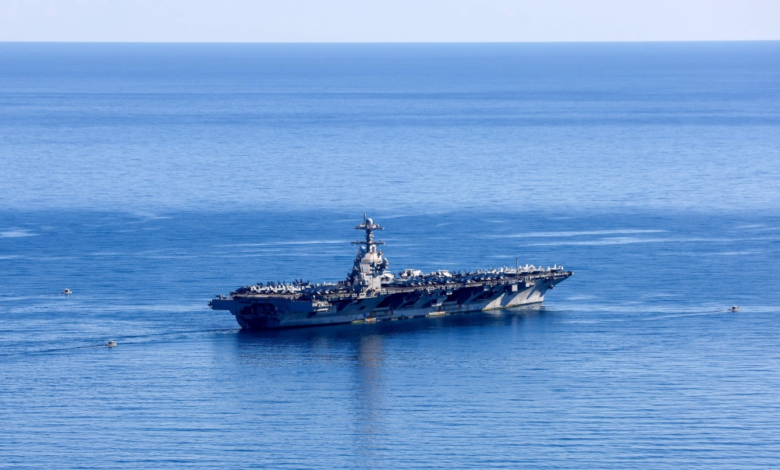
The USS Gerald R. Ford (CVN-78), the world's newest and most advanced aircraft carrier, departed Souda Bay Naval Base on the Greek island of Crete on Thursday after a several-day port call. This move comes at a delicate and sensitive time, coinciding with the start of a new round of indirect talks between the United States and Iran in Geneva, mediated by Oman, aimed at de-escalating tensions surrounding Iran's nuclear program.
Background to the tension and negotiations
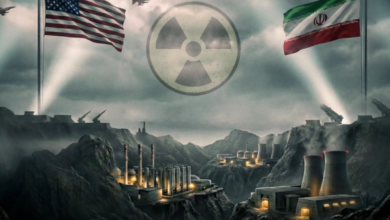
These developments come against the backdrop of historically strained relations between Washington and Tehran. Since the United States withdrew from the nuclear agreement (the Joint Comprehensive Plan of Action – JCPOA) in 2018, the administration of former President Donald Trump imposed a policy of “maximum pressure” on Iran, which responded by accelerating its nuclear program and exceeding the limits stipulated in the agreement. Despite diplomatic efforts to revive the agreement, negotiations remain stalled, prompting the parties to seek informal understandings to prevent escalation. The ongoing talks in Geneva are part of these quiet diplomatic efforts to reduce tensions.
The importance of the aircraft carrier "Gerald Ford"
The presence of a Ford-class aircraft carrier in the region is not merely a routine military deployment. This newly commissioned carrier represents the pinnacle of American naval technology, boasting advanced aircraft launch and landing capabilities, sophisticated defense systems, and the capacity to carry more than 75 diverse warplanes. Its deployment in the eastern Mediterranean, near the Middle East, reflects a show of force and a clear message of deterrence directed at Iran and other US adversaries in the region. This deployment demonstrates Washington's ability to project military power rapidly and effectively anywhere in the world.
Regional and international impact
Regionally, the departure of the USS Gerald Ford and its deployment are seen as part of a two-pronged US strategy: using military force as leverage to support the diplomatic track. While talks are underway in Geneva, the increased military presence aims to strengthen the US negotiating position and remind Iran of the potential consequences of any escalatory steps. This move also sends reassuring messages to US allies in the region, such as Israel and the Gulf states, who share Washington’s concerns about Iran’s nuclear and regional activities. Internationally, this deployment underscores the US commitment to maintaining the security of international shipping lanes and the stability of the Middle East, a region vital to global energy supplies.