US strike kills 3 drug smugglers in the Caribbean
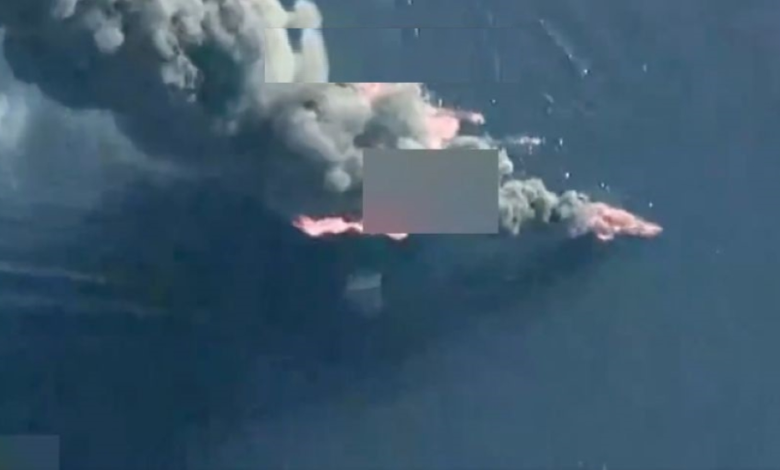
The U.S. Southern Command (SOUTHCOM) announced that three people were killed Monday in a military strike targeting a speedboat in international waters in the Caribbean Sea, suspected of being used for large-scale drug trafficking operations. This operation is part of ongoing U.S. efforts to combat transnational organized crime networks operating in the region.
Context of counter-narcotics operations in the Caribbean
The Caribbean has historically been a major transit route for drugs, particularly cocaine, from South American production countries to North American and European consumer markets. For decades, the United States, in cooperation with international partners, has led extensive maritime and aerial operations to intercept these shipments. U.S. Southern Command, through its Joint Interagency Task Force-Southern (JIATF-S), oversees and coordinates these efforts, which include the Coast Guard, Navy, and other law enforcement agencies.
Drug cartels rely on fast, hard-to-detect boats and rudimentary submarines to transport enormous quantities of drugs across vast stretches of ocean. These operations are often fraught with danger, as smugglers resort to risky maneuvers to avoid capture, sometimes leading to violent confrontations with security forces.
The importance of the incident and its potential impact
This incident highlights the violent nature of the war on drugs in maritime routes. Regionally, it underscores the continuing security challenge posed by drug cartels to the stability of Caribbean and Latin American nations, where these networks exploit corruption and institutional weaknesses to facilitate their operations. Intercepting shipments represents a financial and logistical blow to these organizations, but it does not address the root causes of illicit trade.
Internationally, such operations resulting in fatalities raise questions about the rules of engagement in international waters and the legitimacy of using lethal force. While US authorities maintain that these actions are necessary to protect national security and stem the flow of toxic substances into their communities, human rights advocates and international law experts demand transparency and investigations into each incident to ensure that civilians are not targeted and that excessive force is not used. This incident demonstrates that the US counter-narcotics strategy remains heavily reliant on military and security solutions, reflecting the scale of the threat posed by these global criminal networks.