US sanctions on Iranian oil after Muscat talks
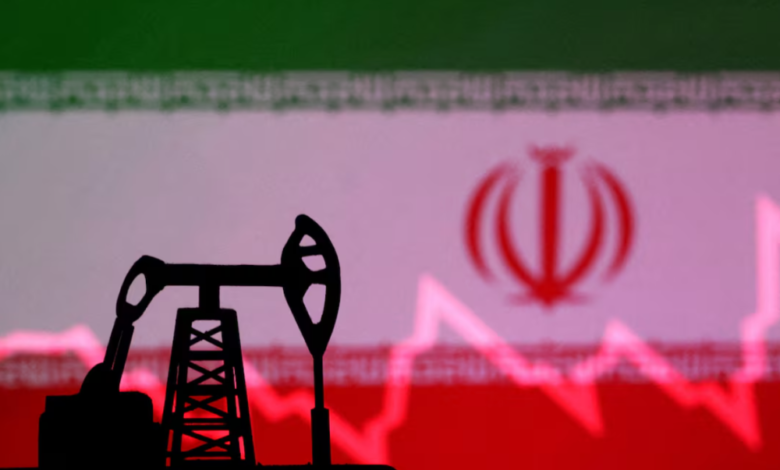
The United States has officially announced a new and stringent package of sanctions targeting Iran's oil and petrochemical sectors, a move reflecting Washington's continued "maximum pressure" policy. This announcement comes at a significant time, following a round of indirect talks between the two sides in the Omani capital, Muscat, raising questions about the future of diplomacy between the two countries.
Details of the sanctions and maximum pressure campaign
State Department spokesman Tommy Pigott explained in an official statement that President Donald Trump is fully committed to reducing the Iranian regime's illicit oil and petrochemical exports. The department noted that the new sanctions are wide-ranging, targeting 15 entities, two individuals, and 14 vessels involved in facilitating Iranian oil trade and circumventing previous sanctions.
The American spokesman added, justifying this move, that the Iranian regime, instead of investing oil revenues in improving the well-being of its people and repairing the dilapidated infrastructure, continues to use these funds to finance activities that Washington considers "destabilizing" in the Middle East region and around the world, as well as intensifying internal repression against opponents.
Muscat talks: A diplomatic window amid escalation
The irony of this announcement lies in its timing, coming shortly after a meeting between Iranian and American delegations in Oman. Iranian Foreign Minister Abbas Araqchi confirmed that both sides agreed during these meetings to "continue negotiations," indicating a mutual desire to keep communication channels open despite the economic escalation.
The Sultanate of Oman plays a pivotal and historic role as a trusted mediator between Tehran and Washington. Over the years, Muscat has hosted numerous rounds of negotiations that have contributed to reducing tensions or paving the way for previous agreements. The continued meetings in Muscat reflect the parties' desire to avoid sliding into a full-blown military confrontation, even amidst the ongoing economic war.
Strategic importance and impact of sanctions
These sanctions are significant because oil is the lifeblood of the Iranian economy. By targeting shipping networks and intermediary financial entities, the US administration seeks to cut off Tehran's sources of revenue. Observers believe this move aims to strengthen the US negotiating position and impose stricter terms in any potential future agreement.
Regionally, these developments raise concerns about reactions that could affect the security of navigation in vital waterways, but the continuation of the diplomatic track through the Omani channel remains the only safety valve to control the pace of tension in the region.