Relatives of Khamenei killed in US-Israeli strikes on Iran
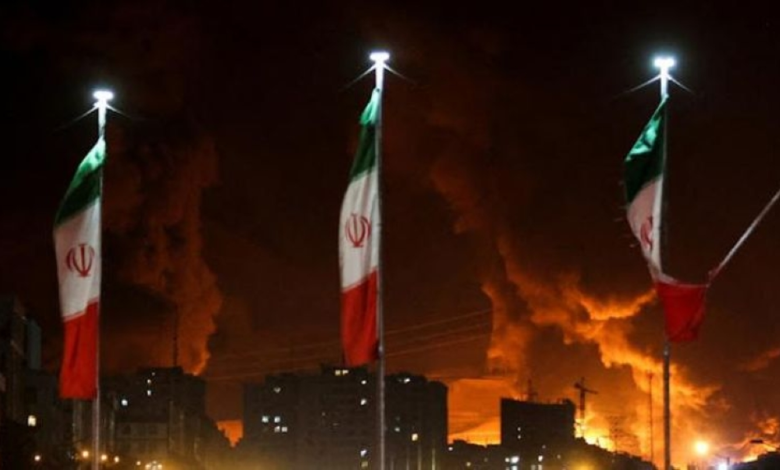
In a striking development reflecting the scale of the military escalation in the Middle East, a senior Iranian official in Tehran announced on Saturday the killing of Supreme Leader Ali Khamenei's son-in-law and his daughter-in-law in a series of airstrikes described as a joint US-Israeli operation. This announcement further heightens tensions in a region already embroiled in protracted conflict and escalates the confrontation to an unprecedented level by targeting the inner circle of the Iranian regime.
According to initial official data released by the Iranian Red Crescent Society, these widespread strikes resulted in the deaths of 201 people and injuries to at least 747 others. The statement indicated that the attacks affected 24 out of 31 provinces, demonstrating the comprehensive nature of the military operation and the scale of the targets struck deep inside Iranian territory, with all affected provinces placed on high alert.
Historical context and direct confrontation
These strikes come in the context of a long-standing shadow war between Iran and Israel and its allies, but they represent a radical shift from proxy conflict to direct military confrontation. The latest escalation began with the assassination of Hamas political bureau chief Ismail Haniyeh in Tehran, an incident for which Iran blamed Israel and vowed revenge. Iran responded with an unprecedented direct attack, launching hundreds of missiles and drones at Israel, prompting Israel, in cooperation with the United States, to retaliate with these devastating strikes targeting military infrastructure and key figures.
Importance and expected effects
The killing of members of the Supreme Leader's family carries profound symbolic and political significance. It represents not only a personal loss for the leadership but also sends a powerful message that no one is safe, potentially undermining the regime's prestige and its ability to protect its symbols. Domestically, this event is expected to exacerbate internal anger, which the authorities may exploit to rally public support against "external aggression," or it may further inflame simmering discontent over deteriorating economic and humanitarian conditions.
Regionally, these strikes bring the region to the brink of all-out war, as Iran may feel compelled to respond forcefully to save face, potentially drawing its allies in the “axis of resistance,” such as Hezbollah in Lebanon and the Houthis in Yemen, into a wider conflict. Internationally, this escalation raises serious concerns about the stability of global energy supplies given the importance of the Strait of Hormuz, and presents major powers with the challenge of preventing a devastating and potentially uncontrollable regional conflict.