Greenland negotiations: A positive shift in the US and Danish positions
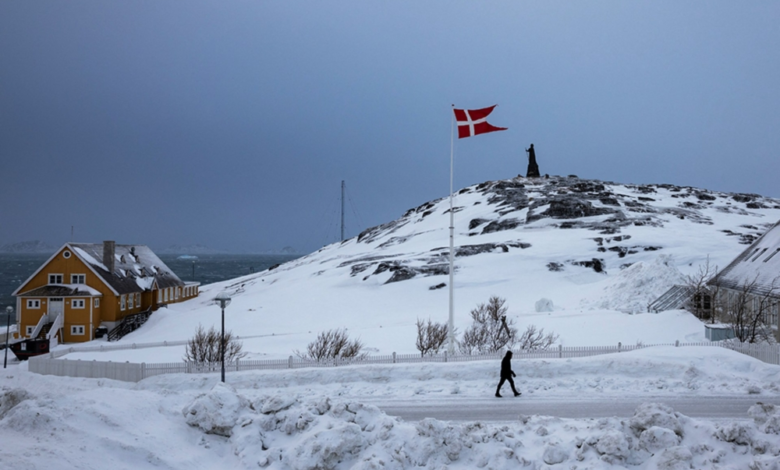
Denmark expressed considerable optimism following high-level meetings with officials in Washington to discuss the future of cooperation in Greenland. Danish Foreign Minister Lars Løkke Rasmussen confirmed that the recently launched technical talks with the United States were extremely positive, describing them as "very constructive" and a turning point in relations between the two countries regarding the Arctic issue.
In press statements on the sidelines of an EU meeting in Brussels, Rasmussen explained that the previously tense atmosphere had dissipated, saying, "There has been a significant shift; things were heading towards escalation, but now we are back on track. I am more optimistic today than I was a week ago." He indicated that the meeting held in Washington did not resolve all outstanding issues, but it represented a substantial step forward, paving the way for further rounds of talks.
Tensions ease and NATO's role
This diplomatic breakthrough comes after reports that US President Donald Trump has backed down from his earlier threats to annex Greenland, a self-governing territory within the Danish crown. This retreat followed framework understandings with NATO Secretary General Mark Rutte, aimed at ensuring greater US influence on the Arctic island without infringing on its sovereignty, thus easing a crisis that threatened to destabilize the Atlantic alliance.
The strategic importance of the Arctic
To understand the context of this growing American interest, one must consider the escalating geopolitical importance of the Arctic region. Greenland is no longer just a remote ice sheet; it has become a focal point of international competition among great powers, especially as melting ice opens new shipping lanes and facilitates access to vast natural resources of rare minerals, oil, and gas. Washington views the island as the first line of defense for North America and fears the increasing Russian and Chinese influence in this vital region.
Historical background: The 1951 treaty
Current US-Greenland (via Denmark) defense relations are based on the 1951 Mutual Defense Treaty. This treaty allowed the US to establish and operate Thule Air Force Base (now Petavik Space Base), the northernmost US military base, which plays a crucial role in missile early warning and space surveillance. Current negotiations are expected to update the treaty to address modern security challenges, ensuring enhanced NATO activities in the Arctic while respecting Danish sovereignty and the wishes of the local Greenlandic population.