Tensions rise between the US and Cuba after an armed clash and fatalities
A sudden escalation in US-Cuban relations
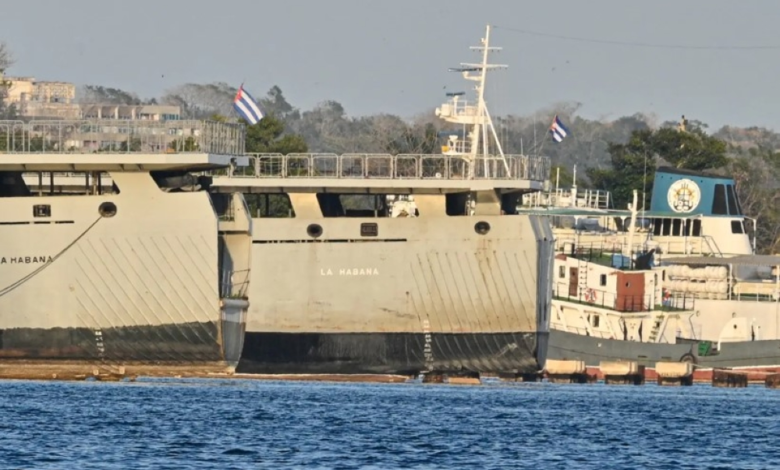
In a dangerous escalation reminiscent of historical tensions, relations between the United States and Cuba have become increasingly strained following an armed clash off the Cuban coast. Cuban President Miguel Díaz-Canel affirmed that his country would respond decisively to any "terrorist attack" targeting its sovereignty, after Cuban authorities thwarted an infiltration attempt by armed men who had launched from the US state of Florida, resulting in the deaths of four people.
The Cuban president's remarks, delivered via the "X" platform, emphasized that Cuba "will defend itself firmly and resolutely" against any act of aggression or terrorism that threatens its national security and stability. The incident occurred when the Cuban coast guard intercepted a U.S.-registered speedboat. During the attempted inspection, those on board opened fire, leading to an exchange of gunfire that left four of the attackers dead and six others wounded, in addition to the Cuban vessel's captain being injured.
Background of decades-long animosity
This incident cannot be understood in isolation from the complex historical context governing relations between the two neighboring countries, separated by only 160 kilometers of water in the Florida Straits. Since the victory of the Cuban Revolution in 1959, led by Fidel Castro, relations have been characterized by hostility and mistrust. The United States imposed a comprehensive economic and trade embargo on the island in the early 1960s, an embargo that remains in place today and forms the cornerstone of US policy toward Cuba.
This period witnessed repeated American attempts to destabilize the Cuban regime, most notably the failed Bay of Pigs invasion of 1961, orchestrated by the CIA using Cuban exiles. The crisis reached its peak during the Cuban Missile Crisis of 1962, which nearly triggered a nuclear war. Over the decades, Florida has served as a launching pad for numerous operations carried out by Cuban opposition groups against the government in Havana, a fact that Cuban authorities invoke today in their characterization of the recent incident as an “act of terrorism.”.
Significance and potential impacts of the accident
This escalation comes at a sensitive time. Domestically, the Cuban government may use the incident to bolster its narrative of a persistent external threat and rally public support amid the country's dire economic situation. Regionally and internationally, the incident casts a shadow over any future attempts to normalize relations and complicates efforts at quiet diplomacy.
For its part, Washington announced it is investigating the incident, categorically denying any involvement of US government personnel. State Department officials confirmed they will determine their position based on the investigation's findings. However, the incident puts the US administration in a difficult position, demonstrating the continued presence of groups operating from its territory against a neighboring country, and raising questions about the extent of the authorities' control over these activities.
In further detail, the Interior Ministry in Havana stated that the detainees confessed to planning an infiltration operation “for terrorist purposes.” Cuban Foreign Minister Bruno Rodríguez also pointed out that his country has faced repeated infiltrations and attacks originating from the United States since 1959, resulting in significant loss of life and property. This incident remains a painful reminder that the legacy of the Cold War is still alive in the Caribbean, and that any spark could reignite tensions between the two long-standing adversaries.