The United States condemns the missile attacks and affirms its support for Saudi Arabia's security
In a reaffirmation of the deep strategic relationship between the two countries, His Royal Highness Prince Mohammed bin Salman bin Abdulaziz Al Saud, Crown Prince and Prime Minister, received a telephone call from former US President Donald Trump. During the call, President Trump expressed the United States' strong condemnation of the missile attacks targeting Saudi Arabian territory, praising the efficiency of the Saudi air defenses that successfully intercepted these attacks.
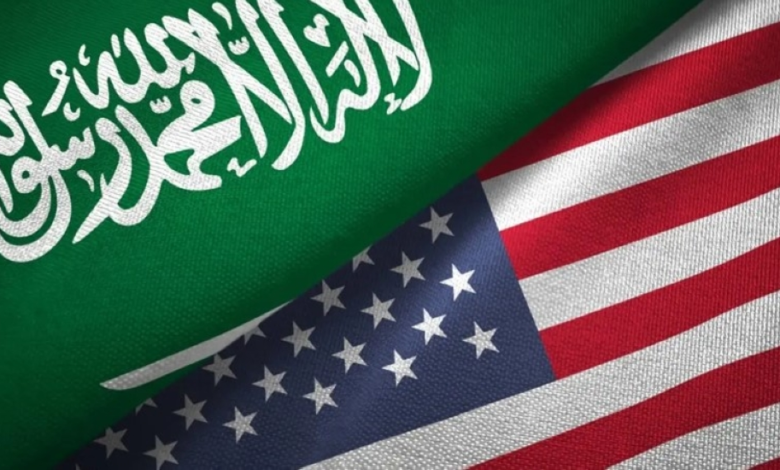
The US president affirmed the United States' full support for the Kingdom and its backing of all measures taken to maintain its security and the safety of its citizens and residents. This US stance comes within the framework of its ongoing support for the security of its allies in the region and underscores Washington's rejection of any hostile acts aimed at destabilizing the region.
Background of the conflict and ongoing threats
These attacks are part of a series of repeated assaults launched by the Iranian-backed Houthi militias from Yemeni territory. Since the start of the Yemeni crisis and the intervention of the Saudi-led Arab Coalition in 2015 to support the legitimate government, the Houthi militias have consistently targeted Saudi cities and vital infrastructure with ballistic missiles and drones. United Nations reports and numerous international bodies have documented that the weapons used in these attacks, including sophisticated missiles, are Iranian-made and were smuggled to the Houthis in flagrant violation of international resolutions.
The strategic importance of the American position
The US position represents significant political and military support for the Kingdom. The relationship between Riyadh and Washington spans decades and is built on a strategic partnership encompassing cooperation in energy, counterterrorism, and regional security. The United States is the Kingdom's primary supplier of weapons and defense technologies, including air defense systems such as Patriot missiles, which play a vital role in protecting Saudi airspace from aerial threats. This reaffirmation of support strengthens the Kingdom's deterrent capabilities and its ability to defend its sovereignty.
Regional and international impact
The repercussions of these attacks extend beyond the Kingdom's security, impacting the stability of the entire region and global energy security. Targeting vital facilities in the world's largest oil-exporting nation is bound to disrupt global energy markets. Furthermore, Iran's continued support for the Houthi militias prolongs the conflict in Yemen, exacerbates the humanitarian crisis, and undermines the peace efforts of the United Nations and the international community. Therefore, the international condemnation of these attacks, particularly the stance of the United States, sends a clear message to Iran that it must cease its destabilizing policies in the region.