America threatens China with tariffs on semiconductors in 2027
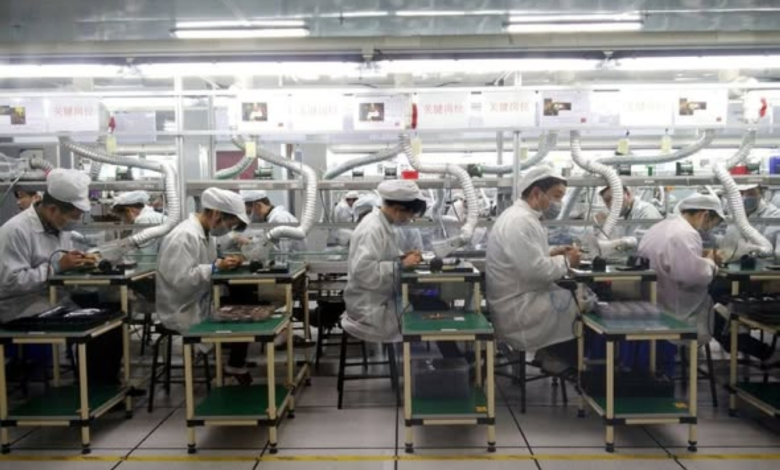
In a new escalation of the technology war between the two superpowers, the United States has sharply criticized Chinese policies in the semiconductor industry, accusing Beijing of employing unfair practices to dominate this vital market. The Office of the U.S. Trade Representative has formally called for punitive measures against China, but the most striking aspect of the decision is the timeframe for implementation: U.S. authorities have announced they will wait 18 months before imposing new tariffs.
Results of the American investigation
The US decision was based on the findings of an extensive investigation by the Office of the US Trade Representative, which concluded that China uses “non-market” and aggressive tactics to dominate the semiconductor industry. The office explained in a public notice that these practices are “unreasonable and unduly burdensome and restrictive to US commerce,” warranting a firm legal response. The investigation, which began in the final weeks of President Joe Biden’s administration and continued under Donald Trump, indicated that Beijing provided massive and sustained government subsidies to Chinese companies, creating an unfair competitive environment.
Fee schedule
In detailing the punitive measures, the Office of the Trade Representative explained that the current tariffs, which are at zero percent, are scheduled to increase by June 23, 2027. The specific tariff rate will be announced at least 30 days before the implementation date, giving the concerned parties time to adjust their situations, and at the same time reflecting a long-term US strategy in dealing with this thorny issue.
Chinese response: Warning of disruption to supply chains
For its part, Beijing was quick to respond, with the Chinese Foreign Ministry expressing its strong opposition to the move. Foreign Ministry spokesman Lin Jian accused Washington of using tariffs as a political tool to "unreasonably stifle Chinese industries." Jian warned that these policies would not only harm China but also disrupt the stability of global supply chains and hinder the development of the semiconductor industry in all countries. He emphasized that the United States would also suffer from these measures and urged it to immediately correct its course.
Conflict context: Semiconductors as the “oil of the century”
These developments come within the context of a broader geopolitical and economic struggle known globally as the “chip war.” Semiconductors are the lifeblood of the modern economy, used in the manufacture of virtually everything from smartphones and cars to advanced weapons and artificial intelligence systems. For years, the United States has sought to reduce its reliance on Asian supply chains and prevent China from accessing precision technologies that could enhance its military capabilities, prompting Washington to enact legislation such as the Chip and Science Act to support domestic manufacturing.
Expected impacts locally and internationally
This decision is expected to cast a shadow over the global economy for years to come. Internationally, continued tensions could split the global technology market into two camps, driving up production costs and impacting consumer electronics prices. Regionally, East Asian chip producers like South Korea and Taiwan may find themselves under increasing pressure to choose between the US and Chinese markets. The grace period granted by Washington (until 2027) remains a window for negotiation or perhaps for reshaping trade alliances before the tariffs take effect.