US assessments: An attack on Iran will be a generational shift
Intelligence warnings ahead of a crucial decision
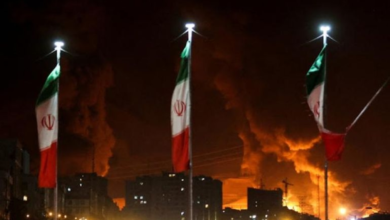
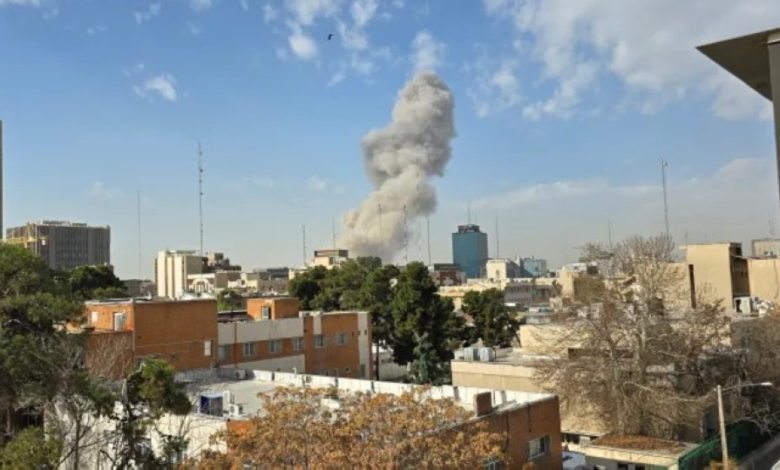
A well-informed US official revealed that the intelligence briefings given to former President Donald Trump prior to the decision to launch a military attack on Iran did not only assess potential losses among US forces, but also included a deep strategic warning that such a move could lead to a “generational transformation” in the Middle East, a transformation that might not necessarily be in the long-term interest of the United States.
A tense context and a policy of “maximum pressure”
These assessments came at the height of tensions between Washington and Tehran, a period marked by the Trump administration’s “maximum pressure” campaign following its unilateral withdrawal from the nuclear agreement (the Joint Comprehensive Plan of Action) in 2018. The region witnessed a series of dangerous incidents, including attacks on oil tankers in the Gulf and Iran’s downing of a U.S. drone, bringing the two countries to the brink of direct military confrontation on more than one occasion. These briefings were part of a thorough assessment of the potential risks and benefits of any military action against critical Iranian infrastructure.
Dangers that extend beyond the battlefield
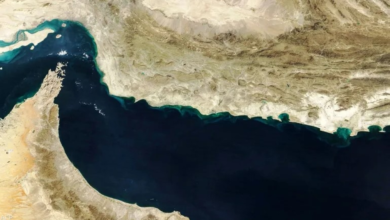
According to the official, who requested anonymity, the Pentagon described the potential operation as an “epic of fury,” indicating that it would plunge the Middle East into a new and unpredictable conflict. Assessments indicated that the Iranian response would not be limited, but would likely include widespread retaliatory attacks through its proxies in the region, targeting US forces and interests, as well as key US allies such as Israel and the Gulf states, thus threatening the stability of global energy supplies through the vital Strait of Hormuz.
Widespread regional and international impacts
The significance of this decision extended far beyond the immediate military dimension. A joint US-Israeli attack on Iranian targets would have ignited a regional conflagration that would have been difficult to contain, with serious international repercussions. The conflict was expected to trigger a dramatic surge in oil prices, destabilize global markets, and draw in other international powers such as Russia and China, both of which have strategic interests in the region. This catastrophic scenario is what analysts refer to as a “generational transformation,” one that would fundamentally reshape alliances and geopolitical balances in the Middle East.
Presidential acknowledgment of the risks
President Trump himself seemed to recognize the magnitude of the risks, echoing these warnings in his statements. Acknowledging the possibility of casualties, he said, “We may lose the lives of brave American heroes.” Attempting to justify such a momentous decision, Trump added in a televised address announcing the commencement of major combat operations, “But we are not doing this for the present. We are doing it for the future, and it is a noble mission.” These statements reflected the dilemma facing the US administration: its desire to deter Iran and its awareness of the potentially catastrophic consequences of a full-scale confrontation.