The UNESCO Chair and the King Faisal Center: Efforts to Document Oral Heritage
Strategic partnership for preserving cultural memory
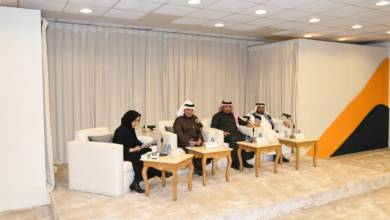
In a pioneering step aimed at preserving the nation's cultural memory, the UNESCO Chair at the King Faisal Center for Research and Islamic Studies , with the support of the Literature, Publishing and Translation Commission, hosted a specialized workshop to discuss a pivotal book project entitled "Translating Cultures and Oral Traditions." This event brought together a select group of researchers and academics with the goal of establishing a robust scientific framework for preserving Arab intangible heritage and ensuring its transmission to future generations in a manner that combines authenticity with modern research methodology.
Historical context and importance of intangible heritage
Intangible cultural heritage, as defined by UNESCO, which adopted the Convention for its Safeguarding in 2003, encompasses the practices, traditions, oral expressions, knowledge, and skills that communities recognize as part of their cultural heritage. This heritage includes folktales, proverbs, poetry, music, traditional dances, and social rituals. With the accelerating pace of globalization and digital transformation, this oral heritage faces the risk of disappearing, making academic documentation initiatives like this workshop an urgent necessity for preserving the cultural identity of communities.
Workshop objectives and scientific outcomes
The two-day workshop provided an interactive platform for the researchers contributing to the book to present and in-depth discuss their research papers before final publication. The discussions, moderated by Dr. Munira Al-Ghadir, UNESCO Chair, and researcher Nouf Al-Mutlaq, focused on exploring the theoretical and practical challenges associated with documenting and translating oral traditions, not only in the Arab world but also in the Global South. The sessions fostered a multidisciplinary exchange of knowledge, enriching the book's chapters with diverse perspectives that reflect the richness and profound human significance of this heritage.
Expected impact: From local to global
This initiative is of particular importance on several levels. Locally , these efforts align with the goals of Saudi Vision 2030, which places great emphasis on strengthening national identity and protecting Saudi cultural heritage, both tangible and intangible. Regionally , this project reinforces the Kingdom's position as a leading center for cultural and heritage studies in the Arab world and opens avenues for research collaboration among academic institutions in the region. Internationally , the book seeks to reposition translation as a pivotal tool in the global discourse on folklore and oral traditions, moving beyond traditional perspectives toward deeper and more comprehensive theories, thus contributing to highlighting the richness of the cultures of the Global South in international forums.
This project is a strategic step within the UNESCO Chair’s 2025 vision, which focuses on “translating cultures and intangible heritage,” emphasizing that preserving heritage is not limited to documentation, but extends to critical analysis and deep understanding that ensures its continuity and vitality.