UN warning: Declining aid to Gaza exacerbates winter suffering
The United Nations Office for the Coordination of Humanitarian Affairs (OCHA) has issued a strongly worded warning about the significant decline and delay in the arrival of humanitarian aid to the Gaza Strip, at a critical time when logistical challenges are compounded by harsh climatic conditions, threatening to exacerbate the humanitarian disaster experienced by the population and displaced persons.
The crisis worsened with the onset of low-pressure systems
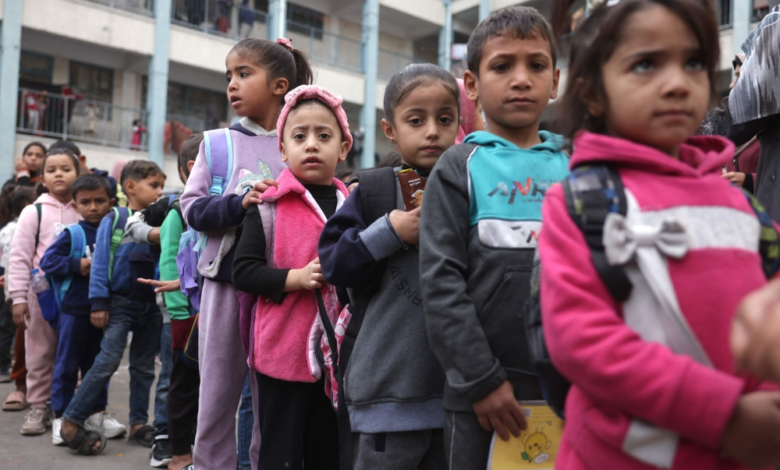
These UN warnings come as winter sets in and storms intensify in the region, exacerbating the already dire living conditions for hundreds of thousands of displaced families. Olga Cherevko, spokesperson for the UN Office for the Coordination of Humanitarian Affairs (OCHA) in Gaza, explained that humanitarian needs on the ground are increasing at a rate far exceeding the capacity of aid organizations to respond, despite the strenuous efforts of the UN and its international and local partners.
Rain and floods have inundated large areas of displacement camps in recent weeks, prompting humanitarian agencies to reprioritize to focus on providing emergency winter supplies, while an estimated 1.3 million people are still in dire need of immediate shelter assistance to ensure they are protected from the bitter cold.
Israeli restrictions hinder response
In a related context, the UN official highlighted the ongoing obstacles imposed by the Israeli occupation authorities, noting that the humanitarian community faces significant restrictions that limit the amount of aid entering the Gaza Strip. These restrictions include a growing list of prohibited items, most notably heavy machinery, engineering equipment, and spare parts essential for repairing the devastated infrastructure and sewage networks severely damaged by the ongoing bombardment.
General context and expected effects
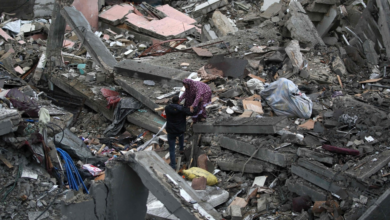
The Gaza Strip is suffering from widespread destruction of its infrastructure and the displacement of the majority of its population as a result of ongoing military operations, making reliance on foreign aid a matter of life and death. Experts warn that continued obstruction of aid deliveries, especially given the limited number of available roads and crossings, could lead to a complete collapse of the humanitarian and health systems, increasing the risk of disease outbreaks and epidemics, as well as the threat of famine that looms over large areas of the Strip.
In closing, Cherevko stressed the need for the immediate removal of all obstacles preventing the delivery of aid, and the expansion of the number of crossings that can be used, to ensure the flow of aid in proportion to the scale of the disaster and the growing needs of the besieged population.