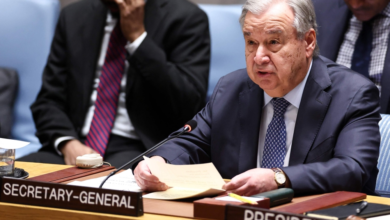
The United Nations warns of a dangerous escalation in the Middle East | A call for peace
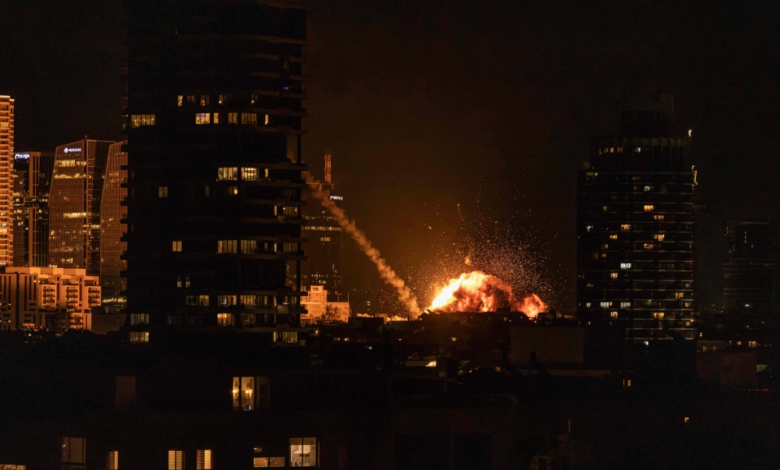
Urgent UN call for de-escalation in the Middle East
Amid escalating tensions in the Middle East, the United Nations issued a strong appeal to all parties to exercise restraint and avoid a “very dangerous escalation” that could plunge the region into a wider conflict with uncontrollable consequences. The international organization emphasized the need to adhere to its Charter, which calls for the peaceful settlement of international disputes and prohibits the threat or use of force against the territorial integrity or political independence of any state.
Context of tension: A historical background of complex conflicts
These calls come in the wake of an unprecedented exchange of direct attacks between major regional powers, raising global anxiety to record levels. This latest escalation cannot be separated from the complex historical and geopolitical context of the region, which has long been a hotbed of numerous interconnected crises. For decades, the Middle East has suffered from chronic conflicts, most notably the Israeli-Palestinian conflict, the civil wars in Syria and Yemen, as well as sectarian tensions and regional rivalries that have fueled proxy wars in several countries. This volatile environment makes any new spark highly flammable, threatening to ignite a massive regional conflagration.
The importance of the event and its expected impact on the international stage
A slide into open military confrontation in the Middle East would not only have repercussions for the countries of the region, but would also pose a direct threat to international peace and security. Among the most significant anticipated impacts are:
- Economic impact: The region is a vital artery for global energy supplies, and any disruption to key maritime shipping lanes, such as the Strait of Hormuz, will lead to an immediate rise in oil and gas prices, negatively impacting the global economy, which is still recovering from successive crises.
- Humanitarian impact: Widespread conflict could lead to new waves of displacement and asylum-seeking, and exacerbate existing humanitarian crises in countries such as Syria, Yemen and the Gaza Strip, placing enormous pressure on neighboring countries and international relief organizations.
- Geopolitical impact: The conflict could draw in major world powers, turning a regional crisis into an international confrontation and reshaping alliances and the map of influence in one of the world’s most strategically sensitive regions.
In this context, the United Nations stressed that returning to the negotiating table and diplomatic dialogue is the only way to avoid disaster, calling on the international community, and especially the Security Council, to assume its responsibilities in maintaining peace and preventing the outbreak of a new war that would be devastating for everyone.