The Security Council and the Iranian nuclear file: Details of the New York session and the fate of sanctions
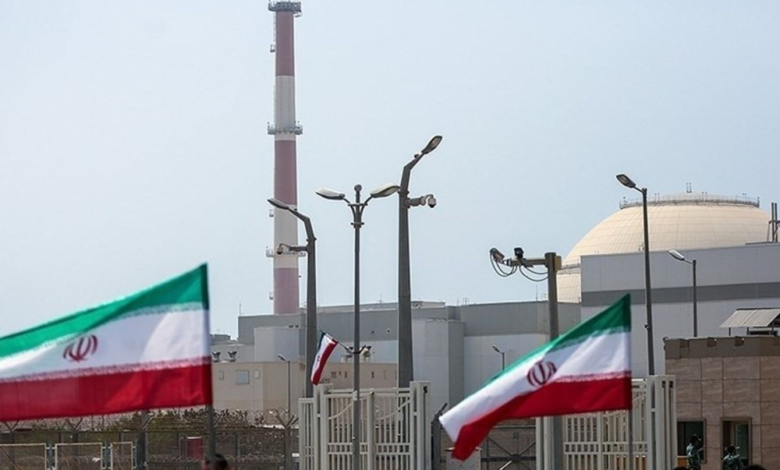
The UN Security Council held a crucial session today at its headquarters in New York to discuss the latest developments in the Iranian nuclear issue , amid international anticipation regarding the fate of previous agreements and the future of sanctions imposed on Tehran. During the session, Council members heard a comprehensive briefing from the UN Under-Secretary-General for Political and Peacebuilding Affairs, Rosemary DiCarlo, who highlighted the current challenges and opportunities for diplomacy.
Priority given to a diplomatic solution despite the disagreements
At the outset of her briefing, DiCarlo stressed that the best and wisest option for the international community lies in reaching a comprehensive negotiated settlement. She explained that the primary objective remains ensuring the complete peaceful nature of Iran's nuclear program in exchange for lifting the economic sanctions that are crippling the Iranian economy, noting that this balance is the cornerstone of any future stability in the region.
The UN official added that "despite the fundamental and deep differences between the parties concerned on how to proceed with the implementation of Security Council Resolution 2231 of 2015, relating to the Joint Comprehensive Plan of Action, all parties remain committed to the importance of a diplomatic solution," expressing the UN's readiness to facilitate communication channels to bridge the gap between the parties.
Historical background: The nuclear agreement and Resolution 2231
To understand the depth of the current crisis, it is essential to revisit the historical context of the 2015 nuclear agreement between Iran and the P5+1 group. This agreement, endorsed by the UN Security Council under Resolution 2231, aimed to place strict limits on Tehran's nuclear program to ensure it could not develop nuclear weapons, in exchange for lifting international sanctions. However, the agreement has faced numerous challenges in recent years, leading to the erosion of mutual commitments and bringing the issue to a critical juncture requiring urgent international intervention.
Legal controversy surrounds the "rapid return" mechanism
In discussing punitive measures, DiCarlo referred to the so-called "snapback mechanism." She explained that, given the Security Council's failure to adopt a resolution to continue the termination of sanctions within the 30-day period following the letter submitted by Germany, France, and the United Kingdom, the previous sanctions against Iran were reinstated as of September 27, 2025.
She drew attention to the sharp division within the Council over this move, as several member states rejected the legal validity and effectiveness of the process of reimposing sanctions, while other members asserted that the entire process was marred by procedural and legal flaws, placing the Security Council in a legal and political dilemma that could affect the credibility of its future decisions.
Regional and international importance of the event
This session is of exceptional importance, extending beyond the halls of the United Nations, given the direct impact of the Iranian nuclear issue on regional and international peace and security. On the one hand, neighboring countries fear a nuclear arms race in the Middle East should diplomatic efforts fail. On the other hand, the international community believes that preserving the nuclear non-proliferation regime requires a firm and unified stance.
The return of sanctions or the continuation of negotiations will be a decisive factor in determining the shape of international relations in the next stage, especially with regard to global energy markets and the security of waterways, making today's session a pivotal moment in the history of this thorny issue.