The Security Council discusses US-Iranian tensions in an emergency session
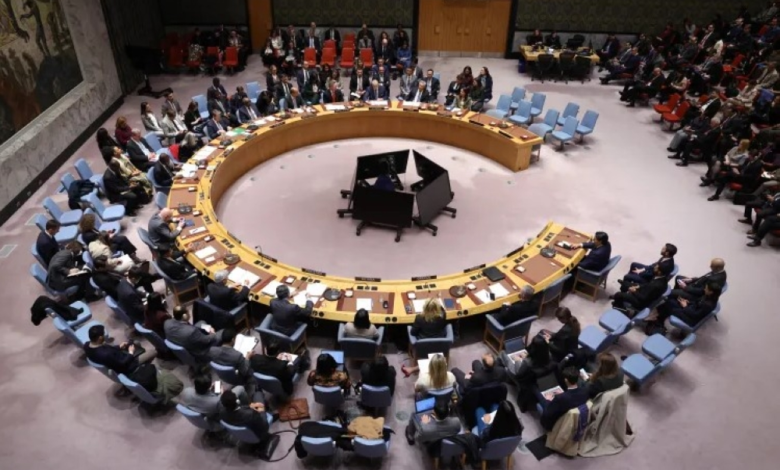
An emergency session of the UN Security Council was held
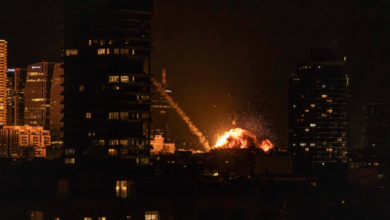
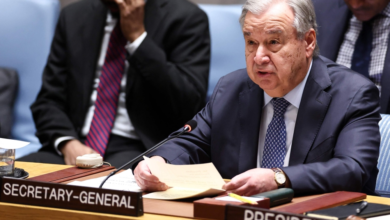
An emergency session of the UN Security Council convened at UN headquarters in New York in response to an urgent request to discuss escalating tensions in the Middle East, culminating in a direct confrontation between the United States and Iran. This session comes at a critical juncture, with UN Secretary-General António Guterres calling on all parties to exercise maximum restraint and an immediate cessation of hostilities to avert a wider conflict that could have devastating consequences for the region and the world.
Background of the tension and context of the crisis
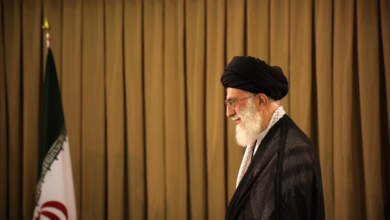
This crisis was not a sudden occurrence, but rather the culmination of years of escalating tensions that intensified significantly after the Trump administration withdrew from the Iran nuclear deal (the Joint Comprehensive Plan of Action) in 2018 and reimposed crippling economic sanctions on Tehran under the policy of “maximum pressure.” The region witnessed a series of dangerous incidents preceding this session, including attacks on oil tankers in the Gulf, the downing of a US drone, and the US airstrike that killed Qassem Soleimani, commander of the Quds Force of the Iranian Revolutionary Guard, in Baghdad. Iran retaliated by launching ballistic missiles at military bases hosting US forces in Iraq. These rapidly unfolding events pushed the situation to the brink, necessitating urgent international diplomatic action.
The importance of the session and its expected impact
The Security Council session is of paramount importance as it is the foremost international platform mandated to maintain international peace and security. The meeting aims to provide a space for diplomatic dialogue and to attempt to defuse the crisis and prevent the region from sliding into a full-blown war. The world awaits the positions that the permanent members will express, as viewpoints often diverge. While the United States and its European allies push for condemnation and increased pressure on Iran, Russia and China typically advocate for diplomatic solutions and criticize unilateral actions and sanctions. The outcome of this session, whether in the form of a presidential statement or a draft resolution, could shape the next phase of the crisis and directly impact the stability of global energy markets, the security of navigation in vital waterways such as the Strait of Hormuz, and the fragile stability of neighboring countries like Iraq, Syria, and Lebanon.