Emergency Security Council meeting after Iranian attack on Israel
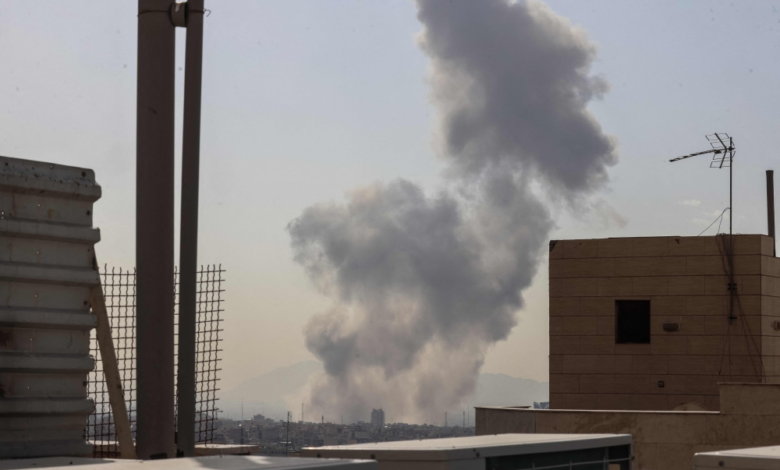
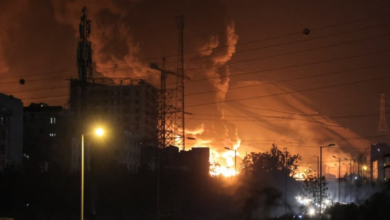
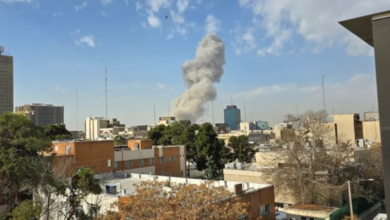
The United Nations announced that the Security Council would hold an emergency meeting, at the request of Israel, to discuss the dangerous developments in the Middle East, following Iran’s unprecedented military attack on Israel using hundreds of drones, ballistic and cruise missiles.
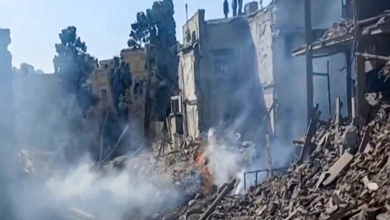
This Iranian attack, dubbed “Operation True Promise,” was in retaliation for an airstrike on the Iranian consulate in the Syrian capital, Damascus, on April 1, which killed several senior commanders of the Iranian Revolutionary Guard, including General Mohammad Reza Zahedi. Although Israel did not officially claim responsibility for the attack, Tehran held it fully responsible and vowed revenge.
A historical context of tension
The direct Iranian attack represents a significant shift in the nature of the conflict between the two countries, which has been waged for decades through what is known as a “shadow war.” This war has included cyberattacks, assassinations of Iranian nuclear scientists, and Israeli airstrikes against Iranian targets and proxies in Syria and Lebanon. This is the first time Iran has launched a direct military attack from its own territory against Israel, raising tensions to unprecedented levels in the region.
The importance of the meeting and its expected impact
The Security Council meeting is of paramount importance as it is the world's highest diplomatic platform for attempting to contain the crisis and prevent it from escalating into a full-blown regional war that could have catastrophic consequences for global security and stability, as well as potentially impacting global energy markets. UN Secretary-General António Guterres strongly condemned the dangerous escalation, calling on all parties to exercise maximum restraint and avoid any action that could lead to major military confrontations on multiple fronts in the Middle East.
The meeting is expected to witness widespread condemnation of the Iranian attack by Western countries, particularly the United States, Britain, and France, along with reaffirmations of their support for Israel's security. Conversely, other countries, such as Russia and China, may call for addressing the root causes of the tension, including the attack on the Iranian consulate in Damascus. The ultimate goal of the international community remains to exert diplomatic pressure on both sides to achieve an immediate cessation of hostilities and a return to de-escalation, thus averting a war with unpredictable consequences.