International calls to confront apartheid against Palestinians
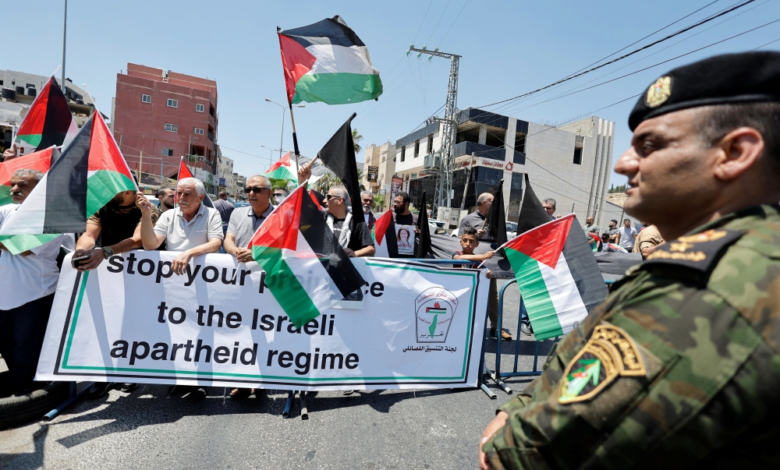
In a move reflecting growing international concern over human rights in the occupied Palestinian territories, the UN Committee on the Elimination of Racial Discrimination called on all states to take immediate and concrete action to support the implementation of its recommendations regarding the case brought by the State of Palestine against Israel. This explicit call underscores the need to impose punitive measures and hold accountable those who incite apartheid and perpetrate racially motivated violence against Palestinians, thus placing the international community before its legal and moral responsibilities.

Unprecedented conclusions about systematic discrimination
These international moves followed the publication of the findings of an independent Conciliation Commission, which, for the first time, conducted an in-depth examination of allegations of racial discrimination against Palestinians. The Commission's report presented compelling evidence indicating that policies of segregation between communities, the expansion of illegal settlements and outposts, and the severe restrictions on construction and demolition of Palestinian homes are not merely isolated violations, but rather contribute to a systematic system of discrimination that undermines any genuine prospects for peace in the region.
Legal context and the importance of international action
This call is particularly significant given the legal context of the conflict. The State of Palestine has acceded to the International Convention on the Elimination of All Forms of Racial Discrimination, enabling it to utilize international legal mechanisms to hold the occupation accountable. This move is part of a broader Palestinian strategy to internationalize the issue and shift it from the realm of stalled political negotiations to the arena of international law, where apartheid is defined as a crime against humanity requiring concerted international efforts to eradicate it, as has been demonstrated in previous historical instances.
Responsibilities of States Parties and Repercussions of the Decision
The UN committee stressed that compliance with the international convention rests not only with the parties to the conflict but also with all states party to the convention. It clearly indicated these states' obligations not to enable or support discriminatory policies and practices, whether through financial, military, or political support. The committee called for the use of all legitimate diplomatic and legal means to promote compliance with international standards, which opens the door to the possibility of imposing sanctions or boycotts on entities that contribute to the perpetuation of occupation and apartheid, and puts major powers to a real test of their commitment to the human rights principles they espouse.