Developing the Camel Square in Jeddah: Traffic solutions and preserving the sculpture
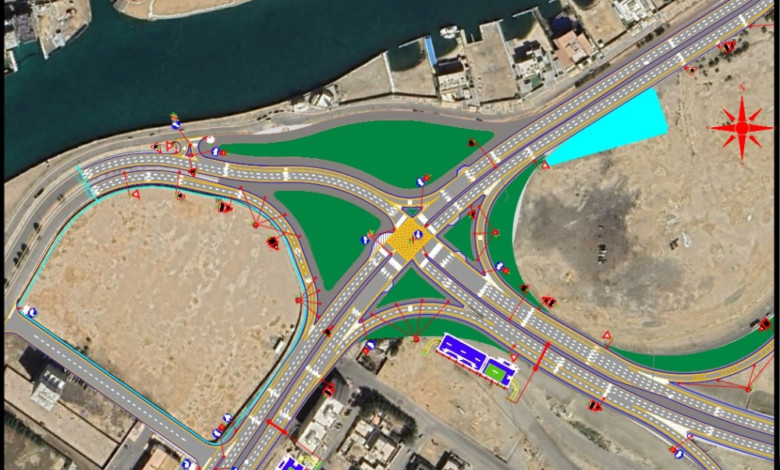
The Jeddah Municipality has begun implementing a comprehensive development plan for Abhur Square, also known as "Camel Square," in the southern Abhur district. This strategic initiative aims to enhance the efficiency of the road network, improve traffic flow, and strengthen safety standards in one of Jeddah's most vital locations, aligning with the objectives of the Quality of Life Program, a key pillar of the Kingdom's Vision 2030.
Engineering solutions to alleviate traffic congestion
In detailing the project, the Municipality explained that the ongoing improvements fall under the umbrella of the “Implementing Traffic Solutions to Address Congestion in Jeddah” project. The plan is based on implementing advanced engineering solutions and well-considered operational arrangements aimed at restructuring intersections, clarifying ground-level traffic lanes, and reducing dangerous intersection points. These improvements include key and vital thoroughfares such as King Abdulaziz Road, the Corniche Road, Prince Talal bin Mansour Street, and Prince Abdullah Al Faisal Street. These modifications are expected to reduce travel time and improve traffic services for those visiting tourist and coastal areas.
Camel Square: Jeddah's Artistic Memory
In balancing urban development with preserving the city's visual identity, the Jeddah Municipality affirmed its full commitment to maintaining the site's symbolic elements. The iconic "Camel Sculpture" will remain in its original location, as it is an integral part of the place's memory and historical identity. This decision underscores Jeddah's status as a city of art and aesthetic sculpture, with the square representing a meeting point between tradition and modernity.
The camel sculpture holds special significance as one of Jeddah's most prominent artistic landmarks since its construction in 1997. Designed by the artist Rabie Al-Akhras, the work comprises two camels; the larger one stands 21 meters tall and weighs 10 tons, while the smaller one is 15 meters tall and weighs 7 tons. This artwork stands as a testament to an important era in the history of beautifying public squares in the Kingdom.
Project importance and future impact
The importance of this project lies in its strategic location in the Abhur area, a prime tourist destination for Jeddah residents and visitors, especially given the increasing number of entertainment and tourism projects in the area. Improving traffic flow in this area will facilitate access to the waterfront, reduce congestion during peak hours and seasons, enhance the commuting experience, and ensure smooth traffic flow that supports the rapid urban and population growth in northern Jeddah.