Ukraine receives 1,000 bodies from Russia and NATO defense plans
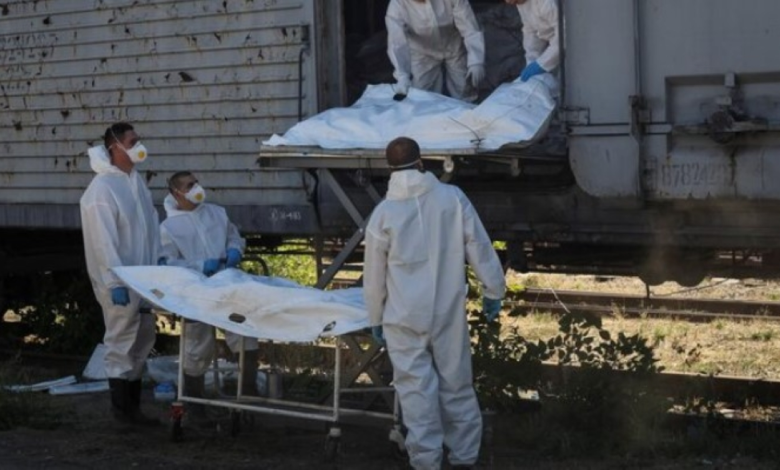
In a significant development concerning the humanitarian consequences of the ongoing war, Ukrainian authorities announced on Thursday the completion of a massive operation to recover the remains of soldiers. Kyiv received 1,000 bodies from the Russian side, which Moscow claimed belonged to Ukrainian servicemen killed in the fierce fighting on the front lines. Moscow, however, confirmed receiving the remains of only 38 Russian soldiers as part of this operation.
Details of the unequal exchange process
The Ukrainian Center for Coordination on Prisoners of War Affairs stated in an official statement published on social media that the procedures carried out today resulted in the return of a large number of remains to Ukrainian territory. This operation is one of the largest transfers of remains since the outbreak of the conflict in February 2022, reflecting the enormous scale of human losses and the continued humanitarian diplomatic efforts in the background despite the ongoing fighting.
The large gap in numbers between what Ukraine received (1,000 bodies) and what Russia recovered (38 bodies) indicates a difference in the nature of field operations and mechanisms for collecting and documenting bodies between the two sides at this stage of the conflict. The competent authorities in Kyiv are currently working on DNA identification procedures to hand over the remains to their families, a process that may take months given the large number.
NATO's new strategy: automated defenses
In a related development concerning geopolitical tensions in Europe, military reports have revealed new NATO plans aimed at redrawing the security map on Europe's eastern border with Russia. According to German General Thomas Löwen, Deputy Chief of Operations at NATO's Allied Land Command, the alliance plans to establish an "automated defense zone" within the next two years.
This strategy relies primarily on advanced technology and minimizing direct human presence on the front lines. General Lewin explained to the newspaper Welt am Sonntag that this defensive belt would act as a buffer zone or "hot zone" that any hostile force would have to cross. Automated equipment and advanced sensor systems would handle initial detection and response, reflecting a shift in Western military doctrine toward relying on artificial intelligence and unmanned systems to bolster deterrence against any potential Russian actions.
Human and political dimensions
These developments come at a time when the Russian-Ukrainian war continues to cast a long shadow over global security. While the exchange of bodies offers a small glimmer of hope for grieving families awaiting the burial of their loved ones, NATO's military moves suggest that the West is preparing for a protracted conflict or a state of sustained tension with Moscow, necessitating the fortification of European borders with unprecedented technologies to ensure the security of the alliance's member states.