Trump decides to withdraw from 66 international organizations and treaties
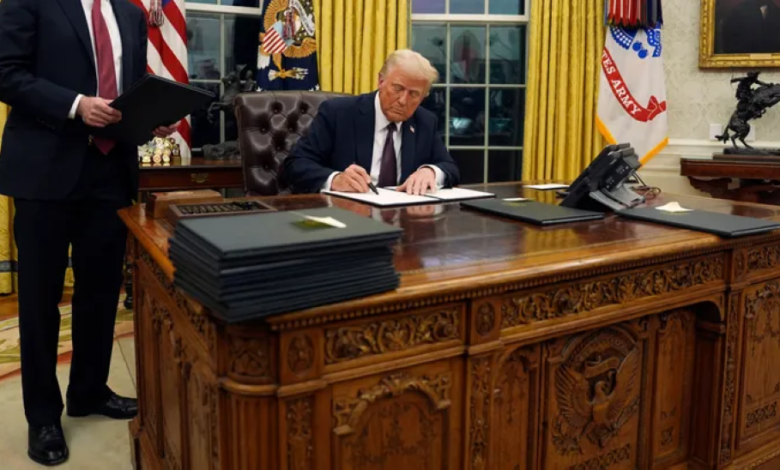
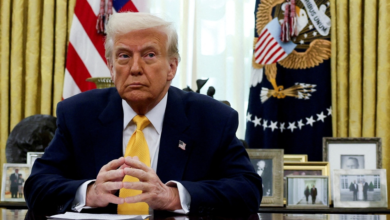
In a move reflecting a radical shift in US foreign policy, President Donald Trump issued an executive order withdrawing Washington from 66 international organizations and treaties, including key UN bodies and leading scientific panels on climate change. This decision, enshrining the "America First" principle, argues that these entities no longer serve US national interests, dealing a significant blow to multilateral international cooperation efforts.
Withdrawal details and targeted organizations
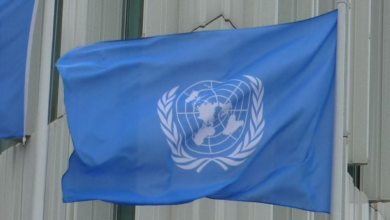
The White House confirmed that the executive order requires the US administration to sever ties with dozens of organizations, with UN agencies comprising nearly half of the list. Among the most prominent of these entities is the United Nations Framework Convention on Climate Change (UNFCCC), adopted in 1992 at the Earth Summit in Rio de Janeiro. Withdrawing from this agreement is unprecedented, as it forms the legal basis for all subsequent climate agreements, including the Paris Agreement, effectively undermining US climate diplomacy efforts.
The list also included the United Nations Conference on Trade and Development (UNCTAD), a decision to withdraw again from the United Nations Educational, Scientific and Cultural Organization (UNESCO), as well as the World Health Organization, which has previously faced sharp criticism from Trump regarding its handling of global health crises.
Aid cuts and administration justifications
In parallel with the withdrawals, the Republican president approved a major cut in foreign aid, which led to budget cuts for vital agencies such as the United Nations High Commissioner for Refugees and the World Food Programme, forcing them to reduce their field operations in conflict zones.
In the context of the official justification, US Secretary of State Marco Rubio launched a scathing attack in a statement, accusing the targeted organizations of promoting what he described as a "progressive ideology," condemning their focus on "gender equality campaigns" and their rejection of what he called "the traditional approach to dealing with climate change.".
Historical context: A return to isolationist policies
This approach is not new to Trump's policies; his first presidential term (2017-2021) saw similar withdrawals, most notably from the Iran nuclear deal, the UN Human Rights Council, and the Paris Climate Agreement. However, the current decision appears more comprehensive and profound, targeting the very infrastructure of the international system that the United States helped establish after World War II, thus recalling the isolationist policies adopted by Washington in previous historical periods.
Expected international repercussions
This decision is expected to create a significant geopolitical vacuum, as the United States is the largest funder of many of these organizations. The absence of American funding and influence could weaken the United Nations' ability to respond to humanitarian crises and natural disasters. Strategically, observers believe this withdrawal could open the door for other international powers, such as China, to increase their influence within international organizations and fill the void left by Washington, potentially reshaping the global balance of power in the coming years.