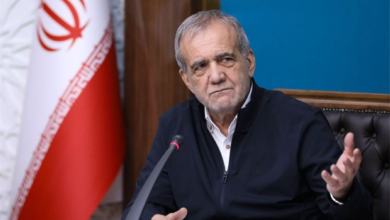
Trump threatens Iran: nuclear deal or dire consequences... Tehran responds
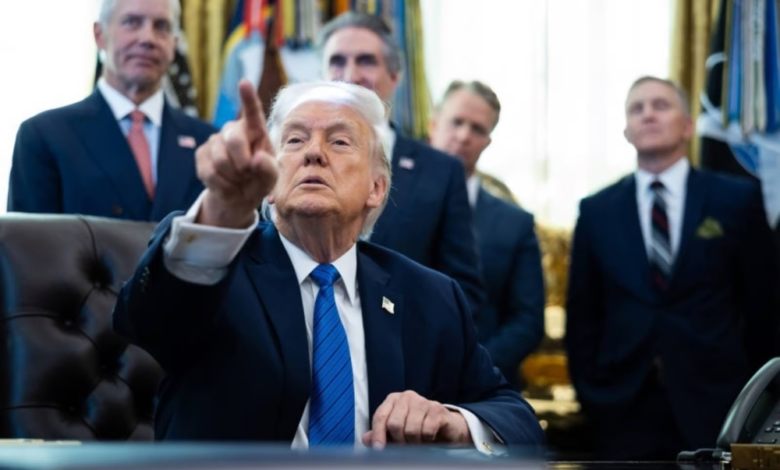
In a significant development in the strained relations between Washington and Tehran, US President Donald Trump a direct warning to the Iranian leadership, asserting that "bad things" could be in store if diplomatic efforts fail to produce a new agreement between the two countries. This statement coincides with intensified US military activity in the Middle East, placing the region at a critical crossroads between military escalation and a diplomatic solution.
American carrot and stick policy
“We are talking to them now, we are talking to Iran,” Trump told reporters at the White House. “If we can work out that would be great. If we can’t, then very bad things will probably happen.” This statement reflects the administration’s “maximum pressure” strategy, which combines harsh economic sanctions with the threat of military force, while keeping the door open for negotiations.
To reinforce its warning message, the United States has bolstered its military presence in the region to an unprecedented degree, deploying the aircraft carrier USS Abraham Lincoln at the head of a strike group, along with squadrons of fighter jets and strategic bombers. These moves are intended to deter any potential threats and send a firm message to Tehran that the military option remains firmly on the table.
Iran shows flexibility and opens the door to negotiations
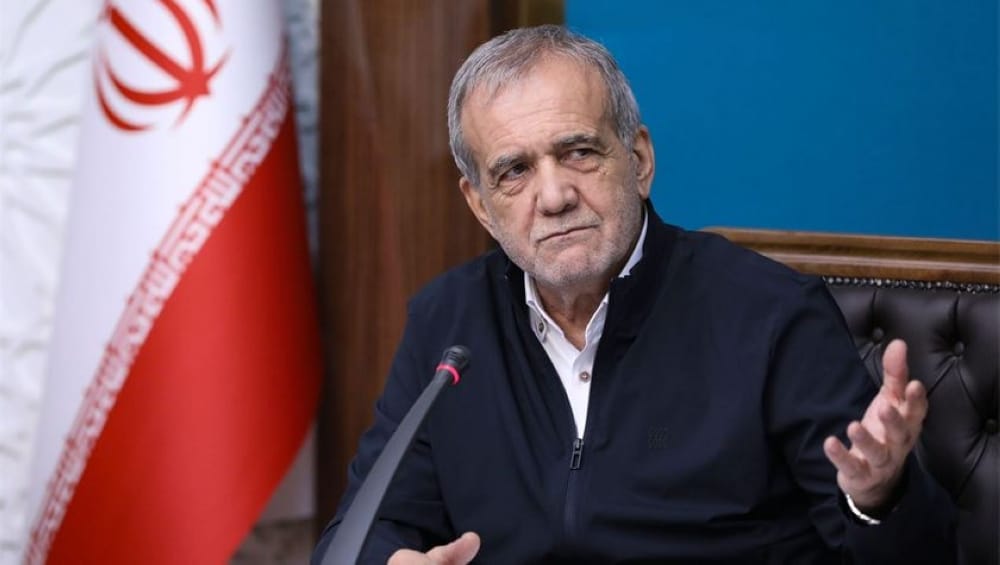
In contrast, and in a move indicating Tehran’s desire to avoid direct confrontation and alleviate economic and internal pressures, an Iranian government source revealed that President Masoud Pezeshkian had issued explicit orders to begin talks with the United States.
The Fars News Agency quoted the source as saying that “Iran and the United States will hold talks on the nuclear issue,” a claim corroborated by prominent Iranian newspapers such as the state-run Iran and the reformist Shargh. This shift in the Iranian position comes amid significant internal challenges, including widespread protests last month that resulted in casualties, further increasing the Iranian regime’s need for a breakthrough on the international stage.
A highly anticipated meeting in Istanbul and a complex historical context
On the practical diplomatic front, the American news website Axios revealed preparations for a crucial meeting in Istanbul, Turkey, on Friday, bringing together Iranian Foreign Minister Abbas Araqchi and US envoy Steve Wittkopf. The meeting aims to explore the possibility of reaching a new agreement regarding Iran's nuclear program.
It is worth noting that this move comes after years of stagnation following the previous Trump administration's withdrawal from the Joint Comprehensive Plan of Action (JCPOA) in 2018 and the reimposition of sweeping sanctions on Tehran. Both sides are now seeking common ground; Washington wants guarantees that Iran will not acquire nuclear weapons and that its regional influence will be curbed, while Tehran seeks the lifting of sanctions that have crippled its economy.
Regional and international repercussions of the negotiations
The success or failure of these negotiations will have significant repercussions for regional and international security. A successful outcome could reduce tensions in the Arabian Gulf region and secure international energy shipping lanes, positively impacting the stability of global oil markets. However, failure, as Trump warned, could open the door to “bad” scenarios, including limited military strikes or a wider conflict—something international powers are trying to avoid amidst the current global crises.