Trump questions Iran's resilience in the face of the maximum pressure policy
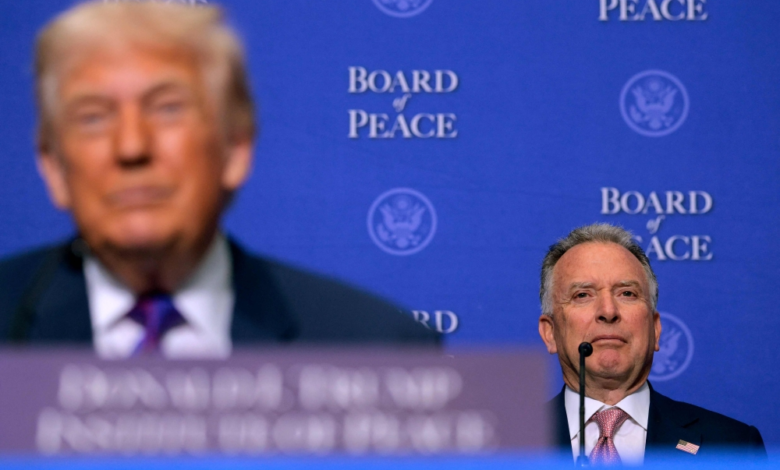
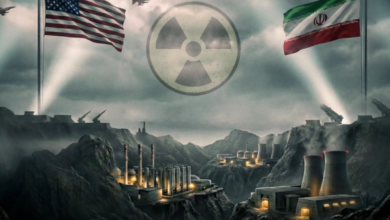
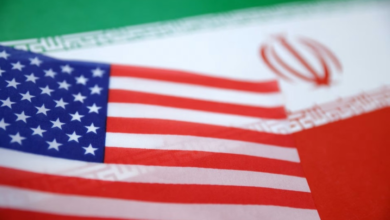
US envoy Steve Wittkopf revealed that former US President Donald Trump expressed surprise at Iran's refusal to "succumb" to the immense pressure his administration exerted to force Tehran to negotiate a new nuclear agreement. These remarks came at a time when tensions between Washington and Tehran were at their peak, with a US military buildup in the region and diplomatic efforts underway to avert a full-blown confrontation.
Background to the “maximum pressure” policy
This tension stems from President Trump’s decision in May 2018 to unilaterally withdraw from the Iran nuclear deal, formally known as the Joint Comprehensive Plan of Action (JCPOA), which was signed in 2015 between Iran and world powers (the United States, Britain, France, Germany, Russia, and China). The Trump administration claimed the agreement was flawed because it did not address Iran’s ballistic missile program or its regional influence. Following the withdrawal, Washington reimposed crippling economic sanctions on Tehran and adopted a strategy it called the “maximum pressure campaign,” targeting vital sectors such as oil and banking, with the aim of crippling the Iranian economy and forcing it back to the negotiating table on American terms.
Wytkoff's statements and details of the situation
In an interview with Lara Trump on Fox News, Witkoff relayed President Trump's questioning of Iran's resilience. He said, "He's surprised that they... haven't given up yet." Witkoff further elaborated on Trump's perspective: "Why, under this pressure, with all this massive naval power there, haven't they come to us and said, 'We're declaring we don't want a weapon, here's what we're prepared to do?'" These remarks reflect the Trump administration's confidence that the combination of economic pressure and military threats was sufficient to break Tehran's will.
Regional and international importance and influence
The maximum pressure campaign led to a dangerous escalation in the Gulf region, with Washington deploying aircraft carriers and strategic bombers, accusing Iran of being behind attacks on oil tankers and Saudi oil facilities. Internationally, the US withdrawal created a rift with European allies who had tried to salvage the nuclear agreement, considering it the best way to prevent Iran from developing nuclear weapons. Domestically, the sanctions triggered a severe economic crisis in Iran, with the currency collapsing and inflation soaring, directly impacting the lives of ordinary citizens. Despite this, the Iranian leadership refused to negotiate under pressure and responded by gradually reducing its commitments under the nuclear agreement, further complicating the situation.
Parallel diplomatic tracks
Concurrently with the escalation, diplomatic efforts were underway behind the scenes to contain the crisis. Geneva hosted talks between American and Iranian officials, mediated by Oman, in an attempt to find a way out and avoid sliding into war. In a related development, Witkopf confirmed that, at the direction of President Trump, he had met with Reza Pahlavi, the son of the former Shah of Iran, who was overthrown in the 1979 Islamic Revolution, suggesting that Washington was exploring various options for dealing with the future of the regime in Iran.