Trump reveals negotiations with Iran and military fleet movement
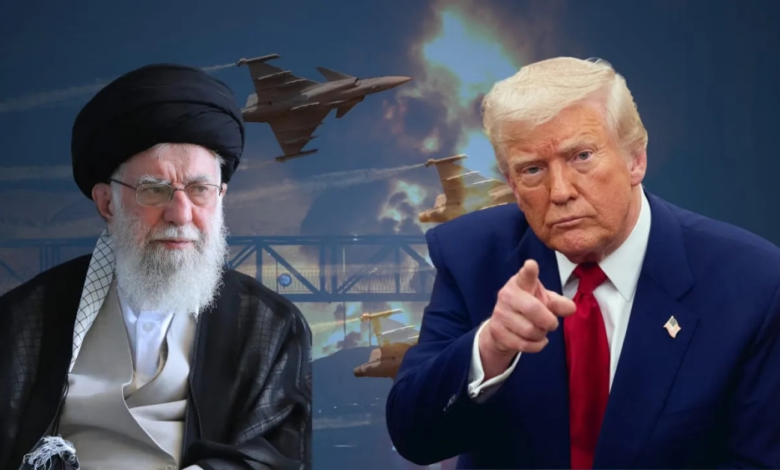
In recent remarks to Fox News, US President Donald Trump confirmed that communication channels with Iran remain open, indicating that Tehran is currently "talking" to the United States. These statements come amidst a complex landscape combining intensive diplomatic efforts with the threat of military force, as Trump reiterated his warnings by stating that a "large fleet" is heading toward the region, a move reflecting his administration's "maximum pressure" strategy.
Context of tension and history of strained relations
These statements cannot be separated from the broader context of US-Iranian relations, which have witnessed an unprecedented escalation since Washington's unilateral withdrawal from the nuclear agreement (the Joint Comprehensive Plan of Action) in 2018. Since then, the United States has imposed crippling economic sanctions aimed at reducing Iranian oil exports to zero, prompting Tehran to curtail its nuclear commitments and threaten to close vital shipping lanes. Trump's reference to a "great fleet" comes as part of a broader effort to bolster the US military presence in the Persian Gulf and the Strait of Hormuz, strategic waterways through which a significant portion of the world's energy supply passes.
Implications of military action and negotiations
The juxtaposition of talk of "negotiations" and "military action" in a single statement reflects a "carrot and stick" approach. While Washington deploys aircraft carriers and strategic bombers to deter any potential threats to US interests or those of its allies in the region, it leaves the door ajar for diplomacy. Observers suggest that the phrase "Iran is talking to us" may imply active international mediation, often led by countries like Switzerland or Oman, to defuse the crisis and prevent a slide into open military confrontation with potentially disastrous consequences.
Expected regional and international impacts
This situation has far-reaching implications at the local, regional, and international levels:
- On the economic front: News of military mobilization usually leads to a state of anxiety in energy markets, which can cause fluctuations in global oil prices, given the region's importance as a major energy artery.
- Regionally, the Gulf Cooperation Council (GCC) states are following these developments very closely, as maritime security in the Gulf is a top priority. Any military escalation could threaten the stability of the entire region, making diplomatic efforts the preferred option for all parties to spare the region the ravages of war.
- On the international level: Major powers, such as the European Union, Russia and China, are closely monitoring these moves, as these parties seek to preserve what remains of the nuclear agreement and prevent a collapse of regional security in the Middle East.
In conclusion, the situation remains open to all possibilities, as the balance swings between the success of the diplomatic mediations hinted at by Trump, and the military escalation represented by the fleet heading to the region, pending what the coming days will bring in terms of developments.