Trump imposes tariffs on Cuban oil exporters: a new escalation
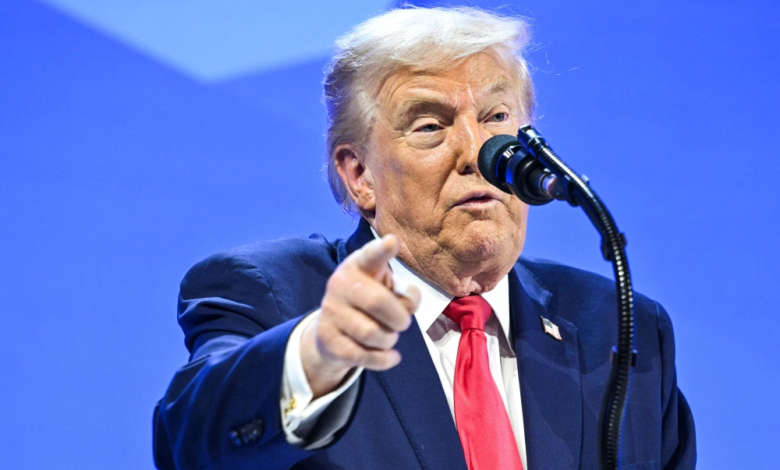
In a new escalation aimed at tightening the economic noose around the Cuban government, US President Donald Trump signed an executive order on Thursday threatening to impose steep additional tariffs on any country that sells or supplies Cuba with oil. This decision further complicates the economic situation on the Caribbean island, which is already suffering from a series of energy crises.
Details of the new executive order
The presidential decree explicitly allows for punitive tariffs to be imposed on US imports from foreign countries found to be "directly or indirectly selling or supplying Cuba with oil." This wording represents a significant expansion of the sanctions, extending beyond oil companies to potentially impacting the economies of countries that choose to support Havana's energy sector. This places these countries in a difficult position, forcing them to choose between the vast US market and maintaining their oil trade relations with Cuba.
The context of US-Cuban relations and the maximum pressure policy
This decision cannot be separated from the historical and political context of relations between Washington and Havana. For decades, the United States has imposed a comprehensive economic embargo on Cuba. The Trump administration adopted a hardline approach known as the "maximum pressure" policy, reversing previous steps toward rapprochement. This approach aims to deprive the Cuban regime of the financial and logistical resources necessary for its survival, with a particular focus on the energy sector, which is the lifeblood of the Cuban economy.
Cuba's energy crisis and the impact of the decision
This threat comes at a highly sensitive time for Cuba, which relies almost entirely on oil imports to power its electricity plants and keep its economy running. In recent years, the country has suffered from frequent power outages and severe fuel shortages, directly impacting the daily lives of its citizens and its productive sectors. Historically, Cuba has depended on allies such as Venezuela, Russia, and Mexico to secure its oil needs, and the new tariffs could cause these and other countries to reconsider sending new shipments for fear of jeopardizing their exports to the United States.
International dimensions of the decision
Observers believe this decision extends beyond bilateral relations, serving as a warning to the international community. By employing tariffs, Washington seeks to impose international isolation on Cuba in the energy sector, potentially exacerbating the island's humanitarian and economic situation and increasing the likelihood of internal unrest due to shortages of basic services.