Trump: We can easily defeat Iran, dismissing warnings
Trump's statements and reactions
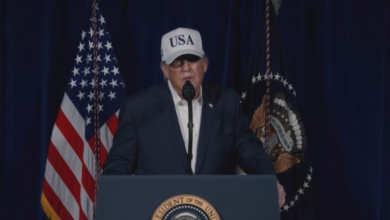
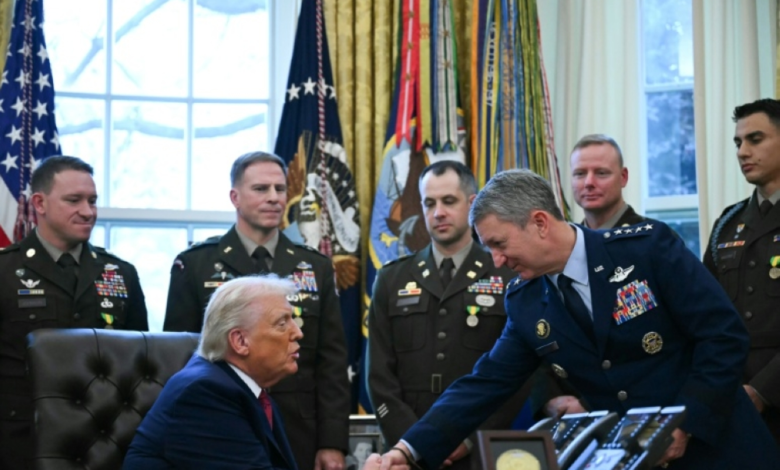
Former US President Donald Trump vehemently denied media reports that the Chairman of the Joint Chiefs of Staff had warned him against launching a major military operation against Iran. In a series of statements, Trump asserted that Washington possesses the full capability to easily defeat Iran in any military conflict, describing reports suggesting otherwise as “100 percent false.”.
Prominent American media outlets, including The Washington Post and The Wall Street Journal, reported that senior Pentagon officials, including the then-Chairman of the Joint Chiefs of Staff, expressed grave concerns about the repercussions of any military strike against Tehran. These concerns included the potential for a protracted conflict, exposing American forces to significant risks, depleting munitions, and the lack of broad international support for such a move.
In response, Trump wrote on his social media platform that the Chairman of the Joint Chiefs of Staff, like all the other leaders, does not want war, but stressed that if a decision is made to take military action, victory will be swift and decisive for the United States. He added that the Chairman “only knows one thing: winning,” and affirmed that he will execute orders effectively to achieve the mission.
Context of tension between Washington and Tehran
These statements come at the height of a period of escalating tensions between the United States and Iran, tensions that began to deepen after the Trump administration’s decision in May 2018 to unilaterally withdraw from the Iran nuclear deal (the Joint Comprehensive Plan of Action). This decision was followed by the reimposition of a series of the harshest economic sanctions on Tehran as part of what became known as the “maximum pressure” campaign, aimed at forcing Iran to renegotiate a new agreement on American terms.
This policy has led to mixed Iranian responses, including reducing its commitments under the nuclear agreement and increasing its regional activities, which Washington considers destabilizing. The region has witnessed a series of dangerous incidents, including attacks on oil tankers in the Persian Gulf and the downing of a US drone by Iran in June 2019, an incident that nearly led to a direct military confrontation, with Trump announcing that he called off a retaliatory strike at the last minute.
Regional and international importance and impacts
This dynamic reflects a division within the then-US administration between two factions: the first, represented by hawks, advocated a firm military approach to deter Iran, while the second, comprised of more cautious advisors, preferred to prioritize diplomacy and avoid a potentially disastrous war. Trump's fiery rhetoric, downplaying the military challenges, was intended to bolster his image as a decisive leader while simultaneously exerting psychological pressure on the Iranian leadership.
Regionally, this war of words has deeply concerned Washington's allies in the Gulf, who find themselves on the front lines of any potential conflict. Internationally, European powers, which have been striving to salvage the nuclear agreement, have expressed their displeasure with the escalating rhetoric that threatens to drag the region into a full-blown war with dire consequences for global energy security and the stability of the international economy.