Weather conditions: Heavy fog and a red alert in the Eastern Province, Mecca, and Medina
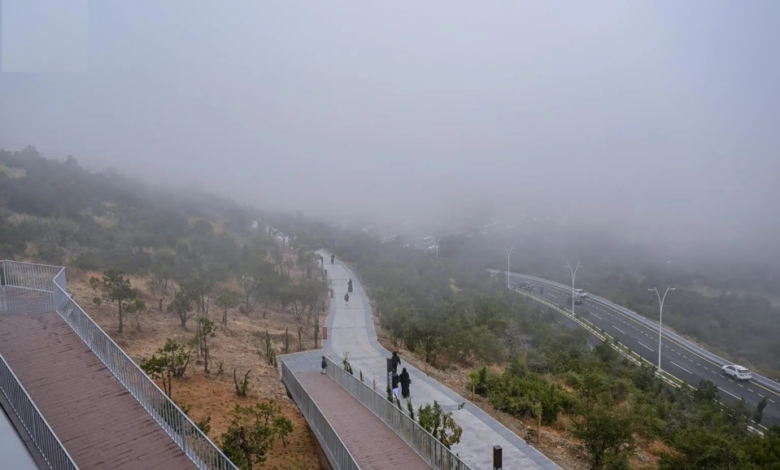
The National Center for Meteorology issued a detailed report on weather conditions , warning of varying intensity fog affecting large parts of three major regions in Saudi Arabia during the early morning hours of Wednesday. These warnings come as part of the ongoing monitoring of atmospheric fluctuations the Kingdom is experiencing during this transitional period.
Details of affected areas and reduced visibility
The center explained in its report that the weather phenomenon includes direct effects such as a decrease in horizontal visibility, ranging between 3 and 5 kilometers in some locations, while reaching near-zero visibility (1 to 3 kilometers) in others. The report identified the affected areas as follows:
- Eastern Province: The alerts included the cities and governorates of Jubail, Khobar, Dammam, Dhahran, Qatif, Ras Tanura, Al-Ahsa, Abqaiq, and Al-Nairiyah.
- Makkah Region: Thuwal, Rabigh, Al-Shuaiba, Al-Qunfudhah, Al-Lith, Taif, and Al-Muwayh were all affected.
- Madinah region: The situation included Al-Rais, Yanbu, Al-Mahd, and Wadi Al-Fara.
Red alert in Al-Adeed Governorate
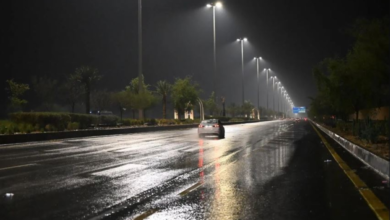
In a related development, the National Center of Meteorology raised its alert level to "red alert" for Al-Udayd Governorate in the Eastern Province, warning of extremely dense fog that could reduce horizontal visibility to one kilometer or less. This condition began at 1:00 AM and is expected to continue until 8:00 AM this morning, Wednesday, necessitating the utmost caution.
Climate context and the importance of warnings
Fog is a common weather phenomenon at this time of year in the Kingdom, particularly in coastal areas and those near bodies of water in the Eastern and Western regions. This occurs due to high surface humidity and the cooling of air near the Earth's surface during the night and early morning hours, leading to the condensation of water vapor and the formation of radiation or haze.
These warnings are of paramount importance given their direct impact on the safety of users of the highways connecting these vital cities. Relevant authorities, including Civil Defense and Traffic Police, urge drivers to adhere to safe driving practices, use fog lights, and maintain a safe distance between vehicles to avoid traffic accidents that may result from sudden loss of visibility.
The National Center of Meteorology continues its vital role in monitoring climate changes through its automated early warning system, to ensure that accurate information reaches citizens, residents and government agencies, which contributes to raising the level of preparedness to deal with different weather conditions and reducing potential risks.