The third expansion of the Grand Mosque in Mecca: A qualitative leap in serving pilgrims and Umrah performers

A qualitative leap in serving those visiting the Sacred House of God
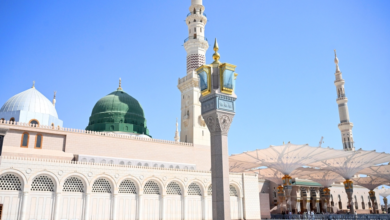
The third Saudi expansion of the Grand Mosque, the largest expansion project in the history of the Two Holy Mosques, represents a significant leap forward in the integrated services provided to pilgrims. This monumental project not only increases the mosque's size but also aims to create a comprehensive and safe spiritual environment that can accommodate the growing number of pilgrims and Umrah performers, providing them with the utmost comfort and ease to perform their rituals with devotion and tranquility.
Historical background: The journey of caring for the ancient house
The care given to the Grand Mosque in Mecca has been continuous throughout history. From the era of the Rightly Guided Caliphs through successive Islamic states, the ancient House of God has witnessed numerous phases of expansion and development. With the dawn of the Saudi state, the leadership has given exceptional attention to the Two Holy Mosques. The first Saudi expansion began during the reign of King Saud bin Abdulaziz and was completed during the reigns of King Faisal and King Khalid. This was followed by the second Saudi expansion during the reign of King Fahd bin Abdulaziz, which focused on expanding the Sa'i area and the outer courtyards. The third expansion, inaugurated by King Abdullah bin Abdulaziz (may God have mercy on him) and being completed by the Custodian of the Two Holy Mosques, King Salman bin Abdulaziz, is the largest and most comprehensive, responding to the enormous growth in the number of Muslims worldwide and their desire to perform their religious rites.
Project dimensions and advanced equipment
The third expansion spans a massive total area of approximately 1,214,000 square meters and is equipped with state-of-the-art technology and the highest engineering and operational standards. This expansive area includes integrated facilities such as:
- Advanced cooling systems: Its cooling capacity reaches 90,000 tons, ensuring a comfortable atmosphere for worshippers throughout the year.
- Service facilities: The expansion includes more than 25,000 luxury carpets, 17,000 Zamzam water containers, in addition to 11,436 toilets and ablution areas.
- Movement and mobility infrastructure: To facilitate the movement of crowds, the building has been equipped with 428 escalators, 28 elevators, and 80 large doors, ensuring smooth entry, exit, and movement between the multiple floors (ground, first, second, first and second mezzanines, and roof).
- Integrated sound system: Includes 1,300 high-fidelity speakers to ensure the voice of the Imam and the call to prayer reaches clearly throughout the extension.
Importance and impact at both the local and international levels
The significance of this project extends beyond the borders of the Kingdom of Saudi Arabia, touching every Muslim around the world. Domestically, the expansion reflects the wise leadership's commitment to harnessing all resources to serve the pilgrims and is a cornerstone in achieving the goals of Saudi Vision 2030 related to the Hajj and Umrah sector. Internationally, increasing the capacity of the Grand Mosque directly contributes to enabling a greater number of Muslims to perform their rituals with ease, thus reinforcing the Kingdom's position as the beating heart of the Islamic world and the custodian of its holiest sites. The round-the-clock field efforts of the General Presidency for the Affairs of the Two Holy Mosques ensure the readiness of these facilities and enhance performance efficiency, achieving the highest levels of comfort and safety for visitors to the Grand Mosque.