France and Britain condemn the crackdown on protesters in Iran, and the US issues a warning
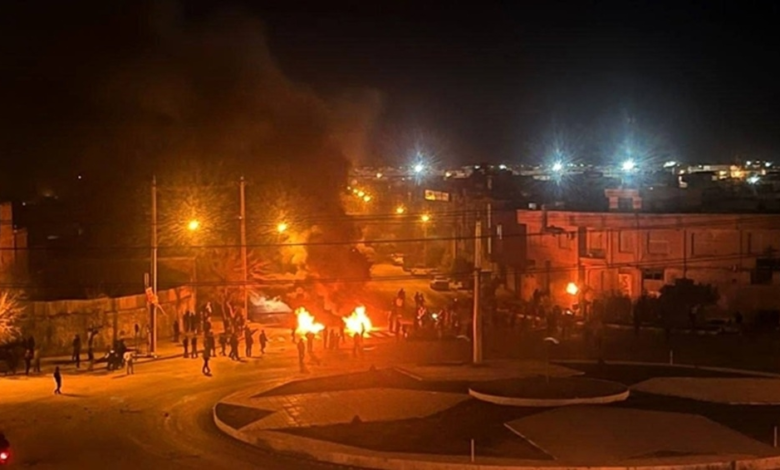
In a new diplomatic escalation reflecting the international community's concern over the deteriorating human rights situation in Tehran, major Western powers have sharply criticized Iranian authorities for their violent crackdown on popular protests. French President Emmanuel Macron led the charge with a strong condemnation of what he called "indiscriminate state violence" against peaceful demonstrators in Iranian cities.
In official remarks delivered via the "X" platform, Macron affirmed his country's unwavering support for defenders of fundamental freedoms, emphasizing that respect for human rights is not merely a domestic matter, but a binding global obligation. These remarks served to highlight the violations suffered by women and men in Iran who courageously demand their civil rights.
British concern and calls to end the violence
On the other side of the channel, the United Kingdom joined the chorus of condemnation, with British Foreign Secretary Yvette Cooper expressing her shock at the "appalling repression" carried out by Iranian security forces. Following a telephone call with her Iranian counterpart, Abbas Araqchi, Cooper demanded an immediate end to all forms of violence against protesters, stressing the need for Tehran to respect international human rights conventions and to guarantee the safety of British nationals in Iran.
US warnings and hints at open options
In conjunction with European pressure, the United States took precautionary measures, with the State Department urging its citizens, particularly those with dual citizenship, to leave Iran immediately via available border crossings such as Armenia and Turkey. The White House indicated that President Donald Trump was closely monitoring the situation, emphasizing that all options, including military action such as airstrikes, remained on the table in response to the crackdown, while simultaneously keeping diplomatic channels open to try to contain the crisis.
A historical context of protests and repression
This wave of protests is not an isolated event in modern Iranian history, but rather part of a series of popular movements that have erupted over the past few years, from the 2009 Green Movement protests to the 2019 economic protests and the 2022 uprising that followed the death of young activist Mahsa Amini. Iranian authorities typically respond to these movements with a harsh security strategy that includes mass arrests, internet shutdowns, and the use of excessive force, frequently drawing condemnation from international human rights organizations and Western governments.
Expected international repercussions
This ongoing repression is expected to further isolate Tehran politically and economically. Continued violations could prompt the European Union and the United States to impose new sanctions targeting Iranian security and judicial officials. This tension also casts a dark shadow over any future efforts to revive the nuclear agreement or improve diplomatic relations between Tehran and the West, leaving the entire region vulnerable to further escalation and instability.